The Best Investment you'll ever Make is in Yourself

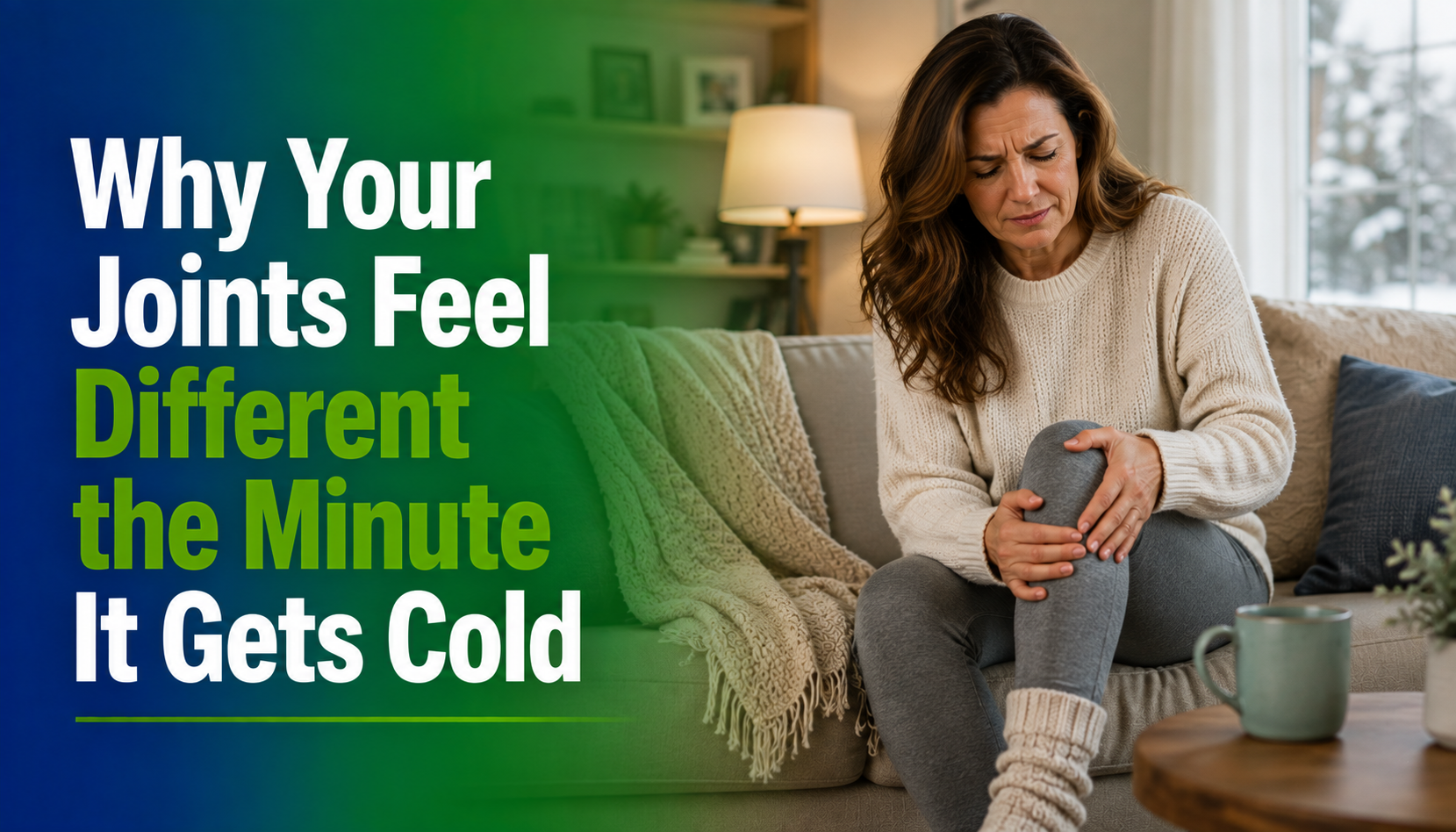
Many people report that their joints feel stiffer or more noticeable when the weather turns cold, but there is no single proven explanation for every person. Changes in movement, muscle temperature, weather sensitivity, activity habits, sleep, hydration, and existing joint conditions may all play a role, which is why a practical winter routine should focus on warmth, gentle movement, balanced nutrition, and realistic expectations rather than one quick fix.
You know the feeling: the temperature drops, you step out of bed in the morning, and suddenly your knees, hands, shoulders, or hips seem to announce themselves a little more loudly. Maybe it takes a few extra steps to loosen up, maybe your usual walk feels less inviting, or maybe a joint that rarely crosses your mind during summer suddenly feels harder to ignore.
That experience is common enough that searches for cold weather joint stiffness, winter joint pain, barometric pressure and joints, magnesium for muscle function, and winter mobility support rise every year as temperatures fall. The tricky part is separating what people genuinely experience from explanations that sound scientific but are more certain than the research allows.
Cold weather does not automatically damage healthy joints, and there is no universal rule that everyone’s synovial fluid suddenly becomes “too thick” the moment the temperature drops. What we do know is that weather, activity, muscle temperature, routine changes, and existing musculoskeletal conditions can interact in ways that make discomfort or stiffness more noticeable.
The most helpful approach is not to fear the season. It is to understand which factors may be contributing and build habits that make winter movement easier to maintain.
Why Cold Weather Can Make Joint Stiffness More Noticeable
When colder weather arrives, several things tend to change at once. People spend more time indoors, outdoor activity may decrease, mornings start darker, warm-up periods become shorter, and muscles may feel less flexible when you first begin moving.
That matters because joints do not function in isolation. Muscles, tendons, ligaments, connective tissue, and the nervous system all influence how movement feels. If the muscles around a joint are colder or less active, you may notice more stiffness even if the underlying joint structure has not changed overnight.
Existing joint conditions can also make normal seasonal changes feel more noticeable. Someone with osteoarthritis, an old injury, chronic back discomfort, or reduced mobility may be more sensitive to shifts in routine than someone with no underlying musculoskeletal concerns.
Weather perception itself matters too. Some people consistently report that their symptoms change with temperature, humidity, or air pressure, while others notice no relationship at all.
That individual variation is important because it keeps the conversation realistic. There is no single winter mechanism that explains everyone’s experience, so the best strategy is to pay attention to your own pattern rather than assume every cold day should feel worse.
What We Really Know About Barometric Pressure and Joint Comfort
Barometric pressure is one of the most common explanations for weather-related joint discomfort. The popular theory is that when atmospheric pressure falls, tissues around a sensitive joint may respond slightly differently, making discomfort more noticeable.
That explanation is plausible, but it should not be presented as settled science.
Research on weather and musculoskeletal pain has produced mixed results, partly because weather variables tend to change together. Temperature, humidity, wind, and barometric pressure are difficult to isolate in everyday life, and people differ widely in how they perceive pain.
One study by Timmermans and colleagues examined older adults with osteoarthritis across six European countries and found that some participants identified themselves as weather-sensitive and reported associations between weather conditions and joint pain. The study is useful because it shows that weather sensitivity is a real experience for some people, but it does not prove that falling barometric pressure directly causes tissue expansion or that one weather variable explains all winter discomfort.
That distinction matters.
If your joints tend to feel different before or during cold fronts, your experience is worth paying attention to. But it is better to view barometric pressure as one possible contributor among several rather than the sole explanation.
Cooler Muscles Can Make Movement Feel Different
Cold environments can change how the body feels during movement, particularly at the beginning of activity. Muscles may feel tighter, and many people instinctively move more cautiously when they are cold.
That does not mean cold air is physically contracting your muscles around the joint in a way that damages them. A more practical explanation is that body tissues often feel less ready for movement when you go directly from rest into activity without warming up.
Think about the difference between getting out of a warm bed and walking straight into a cold garage versus spending a few minutes moving gently indoors first. The second option usually feels easier because you have already started increasing movement and preparing the muscles around the joint.
This is why a short warm-up can be useful in winter.
Gentle marching in place, shoulder circles, ankle movements, an easy indoor walk, or a few controlled range-of-motion exercises can make the transition into activity feel smoother. You do not need an elaborate stretching routine; the goal is simply to move before asking your body to work harder.
Warm clothing can help too. Keeping knees, shoulders, hands, and other sensitive areas comfortably covered may make outdoor activity more appealing, which matters because staying active is often more useful than avoiding movement altogether.
Less Movement May Matter More Than the Temperature Itself
One of the biggest winter changes is not physiological—it is behavioral.
When it gets dark earlier and mornings feel colder, people often walk less, exercise less consistently, and spend more time sitting indoors. That reduction in movement can make stiffness more noticeable, particularly after long periods of rest.
If your usual 30-minute walk disappears for several weeks because the weather is unpleasant, your joints and surrounding muscles are experiencing a very different daily routine. The issue may therefore be less about cold “getting into your joints” and more about the activity that disappeared when winter arrived.
The solution is not forcing yourself through a long outdoor workout when conditions are unsafe. It is finding ways to keep movement present.
Short indoor walks, stationary cycling, gentle strength work, mobility exercises, swimming in a heated pool, or several brief activity sessions across the day can all help maintain a familiar movement pattern.
Consistency matters more than intensity for many people.
A five- or ten-minute movement break after prolonged sitting may be more realistic than waiting for perfect weather to complete one long workout. If you already have arthritis, an injury, or another diagnosed condition, ask a qualified healthcare or physical therapy professional which types of movement are appropriate for you.
Why Hydration and Daily Habits Still Matter in Winter
People often think about hydration in summer because heat makes thirst obvious. Winter is different. You may sweat less noticeably and feel less thirsty even though your body still needs regular fluid intake.
Hydration alone will not “lubricate away” joint pain, but water remains essential for normal body function. Maintaining normal fluid intake supports overall wellness and makes sense as part of any active routine.
Sleep deserves attention too.
Poor sleep can influence how strongly discomfort is perceived, while disrupted winter routines can make both sleep and daytime activity less consistent. A predictable evening routine, appropriate movement during the day, and a comfortable sleep environment can all support broader wellness even though none of them directly cures a joint condition.
Nutrition matters in the same way. Protein, vitamins, minerals, fats, and overall energy intake contribute to normal musculoskeletal function, and magnesium is one mineral that plays several established roles in the body.
Magnesium contributes to normal muscle and nerve function and is also involved in bone health and many enzyme-driven processes. That makes it relevant to a winter wellness discussion, but not as a painkiller or a treatment for arthritis.
The distinction is important: supporting normal physiology is different from treating a medical condition.
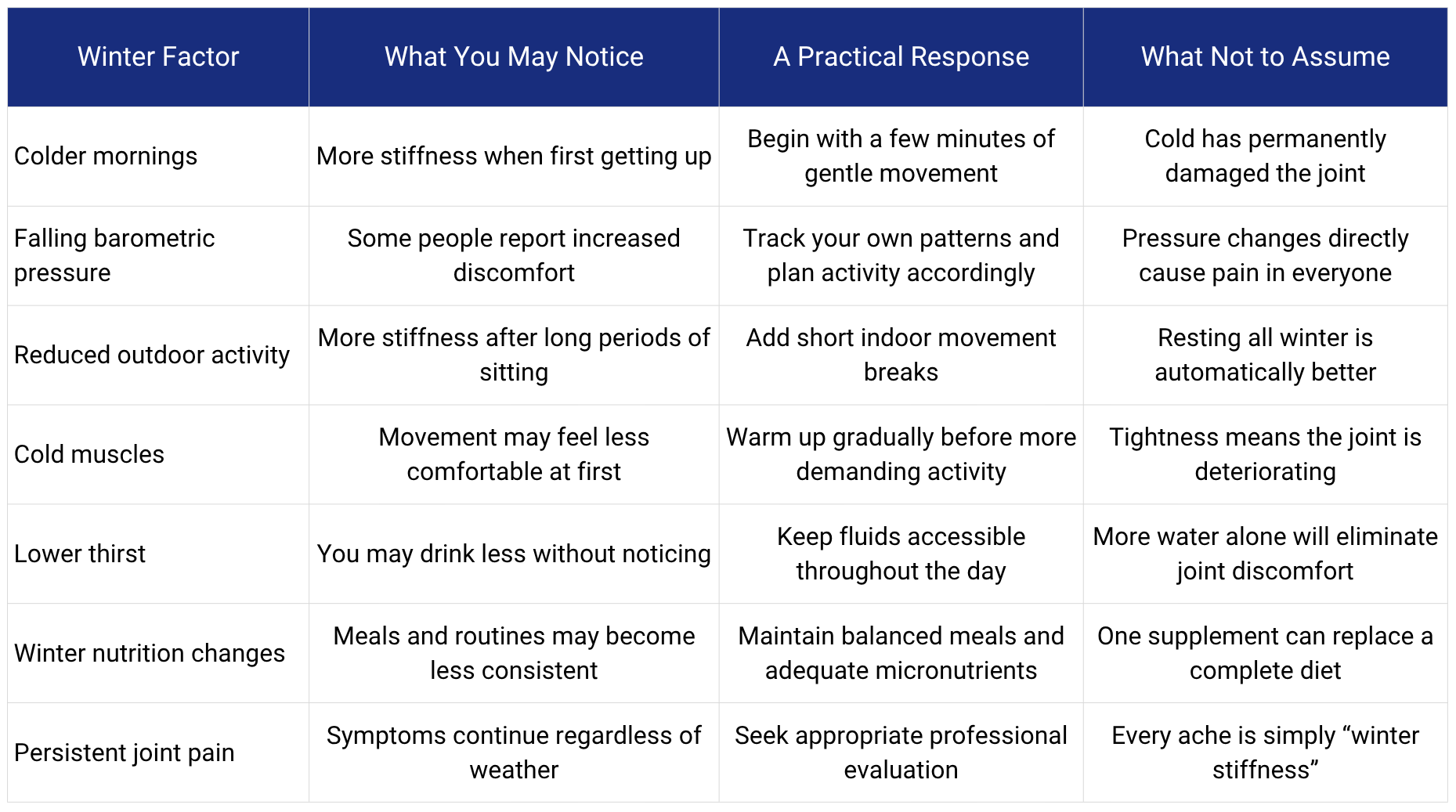
Cold-Weather Joint Comfort at a Glance
Simple Ways to Make Winter Movement Feel Easier
A useful cold-weather routine does not need to be complicated. Start by making movement easier to begin.
Keep warm clothing close to where you exercise so getting started requires less effort. If you prefer walking outdoors, choose the warmest or brightest part of the day when possible and pay attention to slippery surfaces.
Before activity, spend a few minutes moving gently rather than stretching aggressively while completely cold. Easy range-of-motion work and low-intensity movement can help your body transition out of rest.
Break up long sitting periods as well. If you work at a desk, stand up periodically, walk around the room, or perform a few simple movements before sitting again.
Strength work is also worth maintaining when appropriate. Strong muscles help support everyday movement, and winter can be a good time to build an indoor routine rather than abandoning activity until spring.
Heat may feel comforting for some people with stiffness. A warm shower, warm clothing, or a heating pad used appropriately can make movement more pleasant, although heat should be used cautiously if you have reduced sensation, circulation problems, or another medical condition that affects temperature sensitivity.
Finally, resist the urge to chase one ingredient or supplement as the entire solution. Winter joint comfort usually responds better to a broad routine than to one isolated intervention.
When Winter Stiffness Deserves More Attention
A little temporary stiffness after rest is different from persistent or worsening pain.
Talk with a healthcare professional if joint symptoms become severe, last for an extended period, are accompanied by significant swelling, redness, warmth, weakness, numbness, instability, or loss of function, or follow an injury.
Morning stiffness that consistently lasts a long time can also deserve evaluation, particularly when multiple joints are involved. The same is true if joint discomfort begins interfering with sleep, work, exercise, or daily activities.
Do not assume that every winter symptom is caused by weather simply because it started when temperatures fell. Osteoarthritis, inflammatory conditions, injuries, nerve issues, medication effects, and other concerns can produce symptoms that happen to become noticeable during the colder months.
Weather may modify how something feels without being the underlying cause.
That is why symptom tracking can be useful. Note when discomfort occurs, how long it lasts, what activities make it better or worse, and whether it seems related to cold, rest, exercise, or another factor.
Bringing 1 Body Magnesium Bisglycinate Into a Winter Wellness Routine
Once warmth, regular movement, hydration, balanced nutrition, and appropriate professional care are in place, 1 Body Magnesium Bisglycinate (Buffered Chelate) can be considered as a convenient way to add magnesium to an established daily wellness routine.
Magnesium has recognized roles in normal muscle function, nerve function, and bone health, which makes it a relevant nutrient for people paying closer attention to movement and musculoskeletal wellness during colder months. 1 Body’s own magnesium materials highlight high bioavailability and support for healthy muscles and bones, although those product statements should not be interpreted as proof that the supplement treats arthritis, relieves joint pain, or reverses winter stiffness.
A bisglycinate or chelated magnesium format may appeal to people looking for a specific form of magnesium supplementation. However, individual tolerance and total magnesium intake still matter, and “high absorption” should not be taken to mean that more is always better.
The product fits this story best as nutritional support, not as a solution to weather-related joint discomfort. If your symptoms are persistent or significant, a supplement should not delay proper evaluation.
Frequently Asked Questions
-
Many people report that their joints feel stiffer or more noticeable during colder or changing weather, especially when they are less active. Weather sensitivity varies from person to person, so persistent or severe symptoms should not automatically be blamed on the season.
Keep Winter Movement Simple and Sustainable
Cold weather can make the body feel different, but it does not mean winter has to become a season of avoiding movement.
For many people, the biggest improvements come from simple habits: warming up before activity, moving regularly throughout the day, staying hydrated, keeping sensitive areas warm, and maintaining a balanced diet. These steps do not eliminate every source of discomfort, but they create a more supportive environment for normal daily movement.
It is also helpful to keep expectations realistic. Barometric pressure, temperature, activity, sleep, and individual joint health may all contribute to how you feel, and the relative importance of each one can vary.
That means there is no universal winter formula.
If your joints feel stiffer when the temperature drops, pay attention to your pattern, keep movement present in a way that feels manageable, and seek professional guidance when symptoms become more than an occasional seasonal inconvenience.
Nutritional support can then occupy its proper place: one part of a broader routine built around movement, recovery, and everyday health rather than a stand-alone cure.
Support Everyday Muscle and Bone Nutrition With 1 Body Magnesium Bisglycinate
1 Body Magnesium Bisglycinate (Buffered Chelate) provides a convenient magnesium option for people who want to support normal muscle, nerve, and bone function as part of an established wellness routine. The product’s own materials highlight high bioavailability and healthy muscle and bone support, positioning it as a nutritional complement to balanced eating, hydration, movement, and appropriate professional care rather than as a treatment for joint disease.
-
Provides supplemental magnesium
-
Uses a bisglycinate / buffered chelate format
-
Supports normal muscle function
-
Supports normal nerve function
-
Magnesium contributes to normal bone health
-
Easy to incorporate into an established daily nutrition routine
-
Fits alongside hydration, gentle movement, warming strategies, and balanced meals
-
Can be considered by people who want targeted magnesium supplementation
-
Product materials highlight high bioavailability
-
Intended to complement—not replace—medical evaluation or treatment for persistent joint pain

If you are building a winter routine around regular movement, warmth, hydration, and more intentional nutrition, 1 Body Magnesium Bisglycinate offers a simple way to include magnesium as part of that broader plan. Use it according to the current label, consider your total dietary and supplemental magnesium intake, and speak with a healthcare professional if you have kidney disease, take medications, are pregnant, or have ongoing joint or muscle symptoms.
Reference
Timmermans, E. J., van der Pas, S., Schaap, L. A., Sánchez-Martínez, M., Zambon, S., Peter, R., Pedersen, N. L., Dennison, E. M., Denkinger, M., Castell, M. V., Siviero, P., Herbolsheimer, F., Otero, Á., & Deeg, D. J. H. (2015). Self-perceived weather sensitivity and joint pain in older people with osteoarthritis in six European countries: Results from the European Project on OSteoArthritis (EPOSA). BMC Musculoskeletal Disorders, 16, 66. https://doi.org/10.1186/s12891-015-0536-6
For all general inquiries, please contact us at help@1body.com
© Copyright. All rights reserved.