The Best Investment you'll ever Make is in Yourself


Changes in daylight, temperature, sleep, movement, and daily routines may influence the body’s natural hormonal rhythms throughout the year. Consistent light exposure, balanced meals, restorative sleep, stress management, and thoughtful nutritional support can help you maintain a steadier sense of wellness as the seasons change.
Have you ever noticed that your energy, appetite, mood, sleep, or skin seems to change when the weather does? Perhaps you feel more motivated during long summer days, sleepier when autumn evenings become darker, or more prone to dryness and low energy during winter.
These experiences are common, and they may reflect a combination of environmental changes, lifestyle shifts, and the body’s natural response to different seasonal cues.
Hormones help coordinate many processes related to sleep, metabolism, stress, reproduction, appetite, and body temperature. They do not operate independently, and they do not change in exactly the same way for every person. Still, daylight, temperature, activity, food choices, stress, and sleep timing can influence the daily patterns through which the body maintains balance.
A large observational study published in the Proceedings of the National Academy of Sciences examined millions of laboratory test results and identified seasonal patterns across several human hormones. The findings do not prove that the seasons directly cause a particular symptom, nor do they mean every person experiences the same hormonal shift, but they support the broader idea that the human endocrine system may respond to annual environmental patterns.
Understanding these seasonal influences can help you approach changes in mood, energy, appetite, and skin with more curiosity and less frustration. Rather than expecting your body to feel exactly the same in every month, you can build routines that adapt alongside the season.
Why Seasonal Changes Can Feel So Personal
A season does not change only the temperature outside. It can change when you wake, how much time you spend outdoors, what you eat, how often you move, and how much social contact you have. All of these factors can influence how physically and emotionally balanced you feel.
Summer often brings longer daylight hours, more outdoor activity, travel, changing meal schedules, and later bedtimes. Fall may bring a return to structured work or school routines, while winter can mean less natural light, drier air, more time indoors, and fewer spontaneous social plans. Spring creates another adjustment as daylight expands and activity levels begin to rise again.
Because these changes happen together, it is difficult to point to one hormone as the single explanation for seasonal fatigue, cravings, skin changes, or mood shifts. The body is responding to the full environment rather than one isolated factor.
It may help to think of the endocrine system as an orchestra. Hormones such as melatonin, cortisol, insulin, thyroid hormones, and reproductive hormones each have separate roles, but their timing and effects are connected. When sleep, meals, stress, movement, and light exposure change, several sections of that orchestra may need time to find a new rhythm.
This is also why self-diagnosis can be misleading. Feeling tired during winter does not automatically mean your thyroid is underactive, and noticing skin changes does not confirm an estrogen imbalance. Persistent symptoms deserve professional evaluation rather than being explained entirely by the weather.
How Light Influences Sleep, Energy, and Daily Rhythm
Light is one of the body’s strongest timekeeping signals. Specialized cells in the eyes detect environmental light and send information to areas of the brain involved in circadian timing, helping the body distinguish day from night.
Melatonin is often called the sleep hormone because its levels generally rise in the evening as the environment becomes darker. During seasons with earlier sunsets and later sunrises, the timing of sleepiness and morning alertness may shift. Some people feel ready for bed earlier, while others find it harder to wake before daylight.
Serotonin is frequently discussed in connection with mood, although its role in the body is complex and cannot be reduced to the amount of sunlight someone receives. Light exposure, sleep, activity, food, stress, and individual health can all influence emotional well-being.
Cortisol also follows a daily pattern. Levels typically rise around the morning waking period and gradually change throughout the day, although sleep disruption, work demands, illness, medication, and chronic stress can affect that rhythm. Seasonal schedule changes may make the pattern feel less predictable, particularly when people wake in darkness or begin staying indoors for most of the day.
A practical way to support a more consistent daily rhythm is to seek natural light soon after waking. Opening the curtains, standing outside for a few minutes, or taking a short morning walk may help create a clearer daytime signal. This habit should be viewed as supportive rather than as a treatment for depression, fatigue, insomnia, or a hormonal disorder.
Evening light matters too. Bright screens and overhead lighting late at night can keep the environment feeling like daytime. Lowering the lights, reducing stimulating content, and creating a repeated wind-down routine may make it easier for the body to recognize that the day is ending.
Temperature, Stress, and Changing Routines
Temperature changes can affect comfort, movement, hydration, and sleep. Hot weather may increase sweating and physical strain, while colder weather can reduce outdoor activity and encourage longer periods of sitting. Both extremes can influence how energetic or balanced you feel.
The body also adjusts heat production and heat loss in response to the environment. Thyroid hormones participate in metabolism and temperature regulation, but seasonal tiredness or temperature sensitivity alone cannot determine whether thyroid function is abnormal. Symptoms such as persistent fatigue, unexplained weight changes, unusual sensitivity to heat or cold, heart-rate changes, or bowel changes should be discussed with a healthcare professional.
Stress is another important part of seasonal transitions. Fall often brings busier work and school schedules, while the end of the year may add travel, financial pressure, family obligations, and holiday planning. Even positive events can increase the number of decisions and responsibilities carried each day.
When stress rises, sleep, appetite, digestion, and concentration may feel less stable. Some people notice they are more irritable, more interested in comfort foods, or less motivated to exercise. These changes do not mean the body has become “toxic” or that the adrenal glands are depleted; they may simply indicate that the current routine is demanding more recovery than it provides.
Rather than trying to control a single hormone, focus on the daily habits that support the whole system. Regular meals, movement, hydration, sleep, and realistic boundaries create a more stable foundation than chasing quick fixes.
Why Skin and Appetite May Feel Different Across Seasons
Skin often responds visibly to environmental changes. Summer heat and humidity may increase sweating and oiliness, while colder weather and indoor heating can contribute to dryness, tightness, or irritation. Changes in stress, sleep, diet, skincare products, and menstrual timing may also affect the appearance of the skin.
Hormonal wellness can be part of the conversation, but seasonal breakouts or dryness should not automatically be labeled as a hormone imbalance. Acne, irritation, and other skin concerns can have several causes, and ongoing or painful symptoms may need evaluation by a dermatologist or another healthcare professional.
Appetite can shift as routines and weather change as well. In colder months, people may naturally prefer warmer, more filling foods, while poor sleep and increased stress can make highly palatable snacks feel especially appealing. These changes should not be treated as evidence that one hormone is “out of balance.”
A structured meal routine may help support steadier energy and eating habits. Protein, fiber-rich carbohydrates, healthy fats, and colorful plant foods can make meals more satisfying, while regular hydration can reduce the chance that thirst or fatigue is mistaken for hunger.
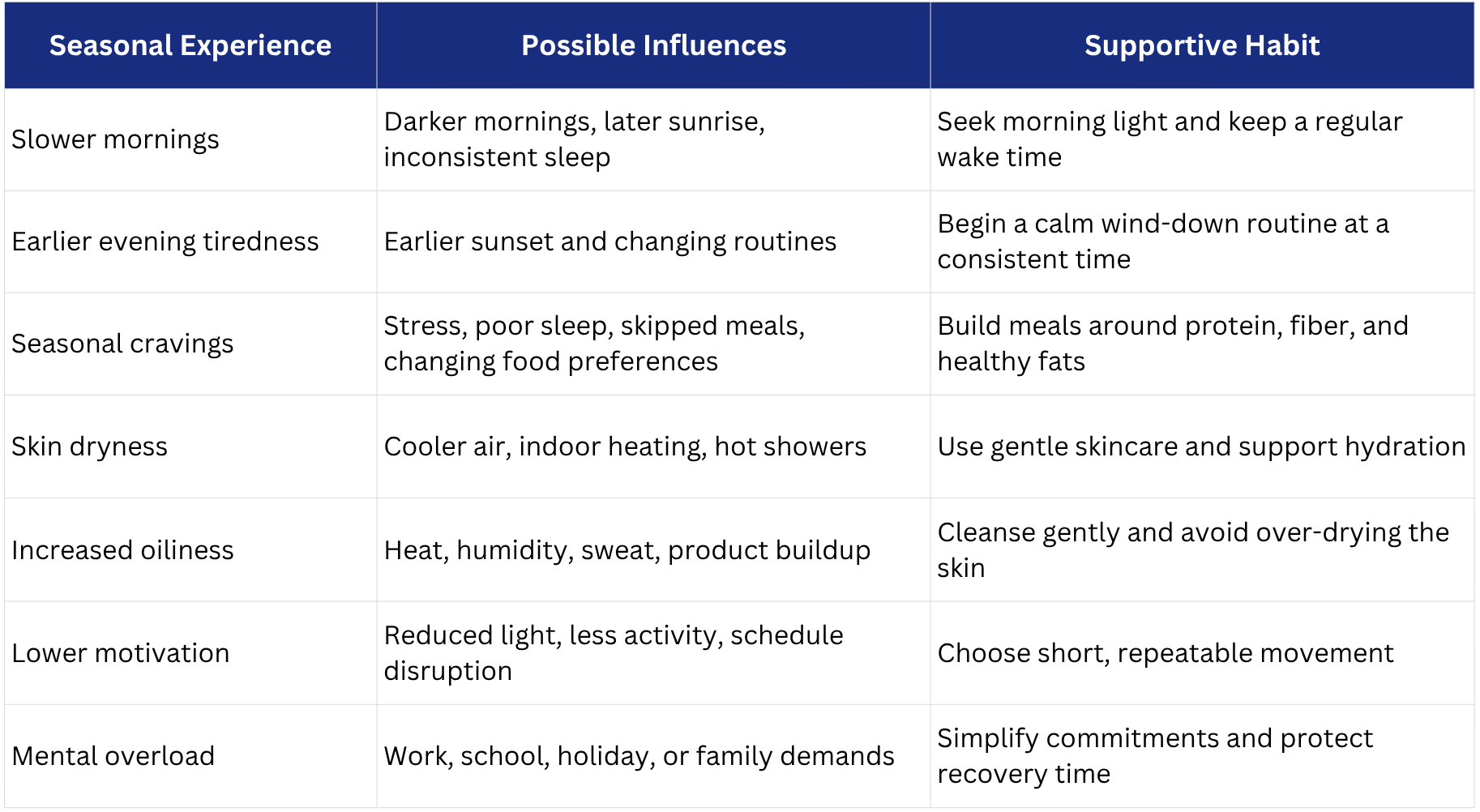
The table below summarizes common seasonal experiences and practical ways to respond:
Practical Habits for Year-Round Hormonal Wellness
A supportive routine does not need to change completely every three months. The foundations remain similar throughout the year, while the details can be adjusted according to the season.
Begin with sleep. Try to keep wake and bedtime reasonably consistent, particularly when daylight hours change. If darker mornings make waking difficult, prepare the room for more light as soon as the alarm goes off and spend time outdoors when practical.
Movement is another reliable anchor. Summer may invite longer outdoor activity, while fall and winter may require shorter walks, indoor exercise, or stretching at home. The best routine is one that remains possible when weather and schedules are less cooperative.
Balanced nutrition provides nutrients used throughout the body’s normal metabolic and hormonal processes. Vegetables, fruits, whole grains, protein sources, healthy fats, nuts, seeds, and mineral-rich foods can all contribute. No food or supplement can guarantee hormonal balance, so variety is more helpful than searching for one perfect ingredient.
Stress management can be simple. Quiet breathing, time outside, journaling, a warm shower, music, or a conversation with someone you trust may help create space between responsibilities. These habits do not remove every stressor, but they can help keep the day from becoming one continuous state of urgency.
It is also helpful to track patterns. Note changes in sleep, menstrual cycles, skin, mood, appetite, and energy for several weeks. A written record can help you see whether the change is temporary, linked to a routine, or persistent enough to discuss with a healthcare professional.
Adding Targeted Nutritional Support to Your Routine
After sleep, food, movement, stress management, and appropriate healthcare are addressed, some adults consider a dietary supplement to complement hormonal wellness. Supplements should be chosen thoughtfully and should not be presented as treatments for acne, depression, fatigue, menstrual disorders, estrogen dominance, or other medical conditions.
1 Body DIM Complex is formulated to support healthy estrogen metabolism and overall hormonal wellness. The formula also includes Calcium D-Glucarate and BioPerine®, which are commonly incorporated into wellness formulas to support normal metabolic processes and ingredient bioavailability.
DIM, or diindolylmethane, is a compound related to the digestion of certain vegetables in the cruciferous family. A DIM supplement does not guarantee changes in hormone levels, skin appearance, mood, or energy, and individual responses can vary.
1 Body DIM Complex may fit the routine of adults seeking a convenient supplement centered on healthy estrogen metabolism, skin wellness, and antioxidant support. Anyone taking medication, using hormonal birth control or hormone therapy, managing a hormone-sensitive condition, preparing for surgery, or who is pregnant or breastfeeding should speak with a qualified healthcare professional before use.
Frequently Asked Questions
-
Research suggests that several hormones may display seasonal patterns, although the timing and degree of change vary among individuals. Seasonal symptoms are not enough to diagnose a hormonal condition, so persistent concerns should be professionally evaluated.
Work With the Season, Not Against It
Seasonal changes can influence much more than clothing and outdoor plans. Shifts in light, temperature, sleep, movement, stress, and food routines may affect how energetic, focused, comfortable, or emotionally steady you feel.
The goal is not to control every hormonal fluctuation. Hormones naturally follow daily and seasonal rhythms, and variation is not automatically a sign of illness. A more useful approach is to notice patterns and support the foundations that help the body adapt.
Seek morning light, keep sleep and meals consistent, move in ways that fit the weather, protect your skin, manage stress, and allow your routine to evolve. These ordinary habits can create a stronger sense of continuity as the environment changes around you.
When symptoms persist, worsen, or interfere with everyday life, speak with a healthcare professional rather than relying on seasonal explanations or self-directed supplementation. When a supplement is appropriate, choose one with a clear label, realistic wellness language, and ingredients that fit your personal needs.
1 Body DIM Complex
1 Body DIM Complex offers a convenient way to add targeted nutritional support to an established hormonal wellness routine. Formulated with DIM, Calcium D-Glucarate, and BioPerine®, it is designed to support healthy estrogen metabolism, skin wellness, and the body’s normal antioxidant and metabolic processes.†
Product features and wellness-supporting qualities include:
-
Formulated with DIM
-
Designed to support healthy estrogen metabolism†
-
Supports overall hormonal wellness†
-
Complements a skin-wellness routine†
-
Includes Calcium D-Glucarate
-
Supports the body’s normal metabolic processes†
-
Includes BioPerine®
-
Provides antioxidant support†
-
Convenient for everyday use
-
Designed to complement balanced nutrition and healthy routines
-
Clearly positioned as nutritional support rather than medical treatment
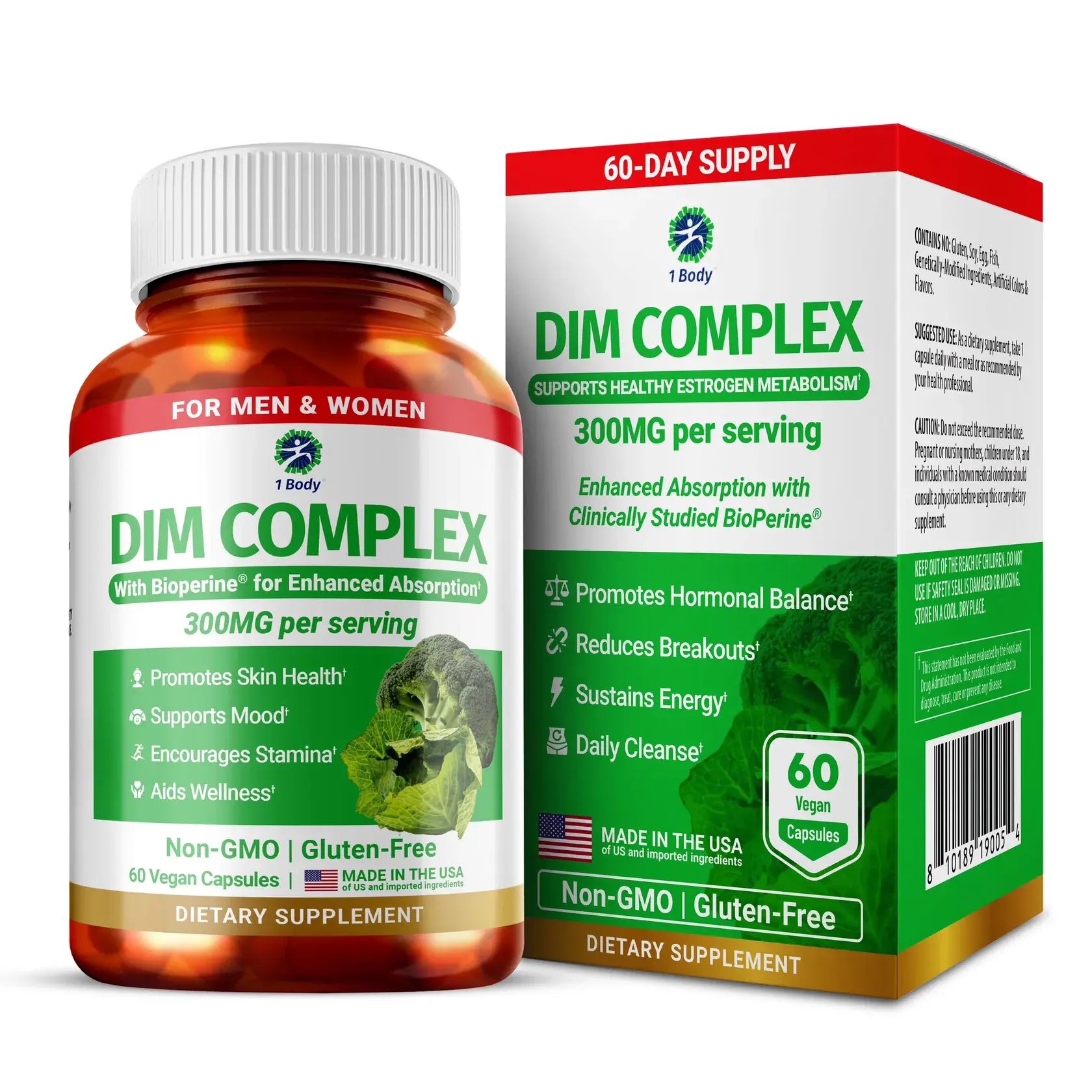
1 Body DIM Complex may be a thoughtful choice for adults looking for a straightforward supplement that complements healthy routines throughout the year. Its focused combination of DIM, Calcium D-Glucarate, and BioPerine® reflects 1 Body’s commitment to bringing nature-inspired ingredients and thoughtful formulation together in one convenient daily product.
†These statements have not been evaluated by the Food and Drug Administration. This product is not intended to diagnose, treat, cure, or prevent any disease.
Reference
Tendler, A., Bar, A., Mendelsohn-Cohen, N., Karin, O., Korem Kohanim, Y., Maimon, L., Milo, T., Mayo, A., Tanay, A., & Alon, U. (2021). Hormone seasonality in medical records suggests circannual endocrine circuits. Proceedings of the National Academy of Sciences, 118(7), e2003926118. https://doi.org/10.1073/pnas.2003926118
For all general inquiries, please contact us at help@1body.com
© Copyright. All rights reserved.