The Best Investment you'll ever Make is in Yourself

Your body has a built-in cleanup crew responsible for processing and clearing excess estrogen. When this system slows down, estrogen can recirculate instead of exiting efficiently. The result may include bloating, mood swings, skin flare-ups, stubborn weight patterns, and low energy. Supporting estrogen metabolism with targeted nutrients like DIM (Diindolylmethane) and strengthening liver function with Milk Thistle helps restore hormonal equilibrium naturally—without extreme detox trends.
The “Cleanup Crew”: How Your Body Actually Detoxes Estrogen
The word “detox” has been overused in wellness marketing. Juice fasts, teas, and restrictive resets promise to flush your system. In reality, your body is already performing highly sophisticated detoxification processes every minute of every day. No juice required.
One of the most critical systems your body manages is estrogen metabolism.
Estrogen is not the enemy. It plays essential roles in bone density, mood regulation, cognitive function, cardiovascular health, libido, and metabolic signaling. Both women and men produce estrogen. The issue isn’t estrogen itself—it’s how well your body processes and clears it once it has served its purpose.
After estrogen circulates and performs its function, it must be metabolized and excreted. If that clearance system slows down, used estrogen can linger in circulation or recirculate through the gut. Over time, this imbalance may contribute to symptoms commonly associated with “estrogen dominance.”
This is where your internal cleanup crew becomes critical.
The Two-Step Estrogen Detox Process
Estrogen metabolism occurs primarily in the liver and involves two major phases.
Step 1: Liver Conversion (Phase I Detoxification)
In the first stage, your liver transforms estrogen into metabolites—specifically into compounds such as:
-
2-hydroxyestrone (2-OHE)
-
4-hydroxyestrone (4-OHE)
-
16-alpha-hydroxyestrone (16-OHE)
Not all estrogen metabolites behave the same way. Research suggests that the 2-hydroxy pathway is considered more favorable because these metabolites are less likely to stimulate tissue excessively. The 16-alpha pathway, on the other hand, is more biologically active and may contribute to unwanted estrogenic effects when elevated.
This is where 1 Body DIM Complex (300mg) becomes highly relevant. DIM (Diindolylmethane), a compound derived from cruciferous vegetables like broccoli and Brussels sprouts, supports the liver’s preference for the 2-hydroxy pathway. In simple terms, DIM encourages your body to produce more of the “balanced” estrogen metabolites and fewer of the more stimulatory ones.
The inclusion of BioPerine® (black pepper extract) enhances absorption, ensuring that DIM is effectively utilized.
Step 2: Conjugation & Elimination (Phase II Detoxification)
Once estrogen is converted into metabolites, it must be made water-soluble and excreted through bile or urine. This stage depends heavily on liver health, antioxidant support, and proper gut function.
If the liver is sluggish or overburdened, metabolites may not be cleared efficiently. Instead, they can recirculate through a process known as enterohepatic recirculation. This means your body essentially reabsorbs estrogen that was supposed to leave. This is where 1 Body Liver Support with Milk Thistle plays a complementary role.
Milk Thistle (Silymarin) is well known for supporting healthy liver function and protecting liver cells from oxidative stress. By helping maintain optimal liver performance, it supports the second stage of estrogen detox—clearance.
DIM helps guide estrogen metabolism in the right direction. Liver Support helps ensure the metabolites actually exit. Together, they form a strategic approach.
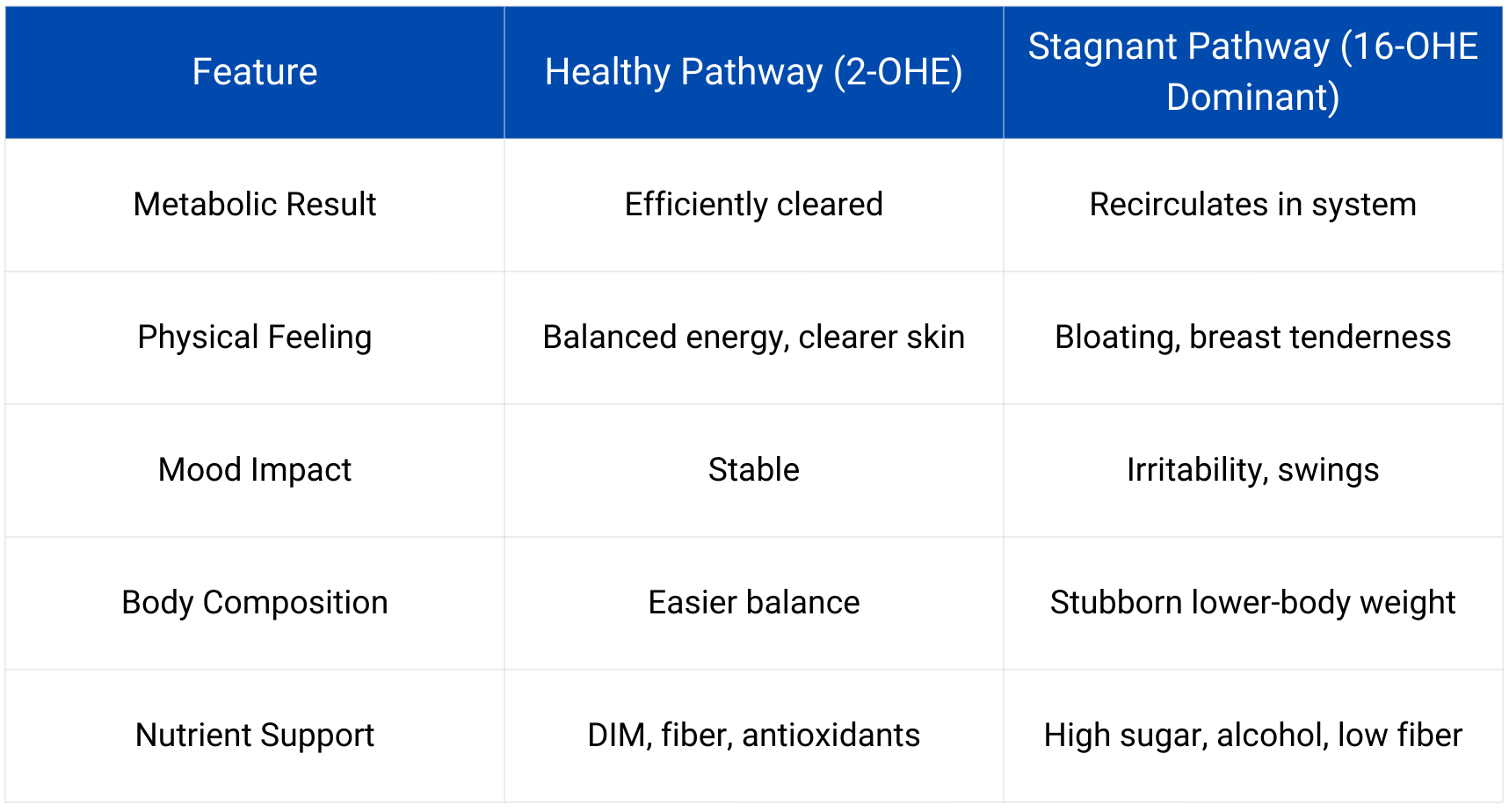
When estrogen metabolism favors the healthier pathway and elimination is efficient, hormonal balance feels smoother. When stagnation occurs, symptoms often accumulate gradually.
Signs Your Cleanup Crew May Need Support
Hormonal imbalance rarely appears overnight. More often, it develops gradually as estrogen metabolism becomes less efficient. While laboratory testing is the most accurate way to assess hormone levels and metabolite patterns, the body often provides early clues when clearance pathways are under strain.
Persistent Bloating
One of the most common complaints associated with inefficient estrogen metabolism is ongoing bloating, particularly around the midsection. Estrogen influences fluid retention and digestive motility. When estrogen metabolites are not cleared efficiently, the body may retain water more readily, creating that uncomfortable, “puffy” sensation that doesn’t seem tied directly to food intake. If bloating feels cyclical or appears despite clean eating habits, it may reflect more than simple digestive irritation.
Breast Tenderness
Breast tissue is highly sensitive to estrogen signaling. When estrogen levels remain elevated or metabolites recirculate, breast tenderness can become more noticeable, especially before menstruation. While occasional sensitivity is common, persistent or intensified tenderness may suggest that estrogen is not being processed and eliminated efficiently.
Cyclical Acne
Hormonal breakouts—particularly along the jawline or chin—are often linked to shifts in estrogen and androgen balance. When estrogen metabolism favors less optimal pathways, skin inflammation may increase. Because estrogen interacts with sebum production and inflammatory signaling, inefficient clearance can contribute to recurring blemishes that follow a predictable monthly pattern.
Mood Swings and Emotional Sensitivity
Estrogen plays a significant role in neurotransmitter activity, particularly serotonin and dopamine. When levels fluctuate unpredictably due to recirculation or imbalance, mood can feel less stable. Irritability, heightened emotional responses, or sudden shifts in motivation may reflect hormonal volatility rather than purely situational stress.
Heavy or Uncomfortable Periods
Estrogen stimulates the growth of the uterine lining. If estrogen remains elevated relative to progesterone, the lining may become thicker, potentially contributing to heavier or more uncomfortable menstrual cycles. Supporting proper estrogen clearance may help promote smoother hormonal cycling over time.
Stubborn Fat Around Hips and Thighs
Estrogen influences fat distribution patterns, particularly in the lower body. When estrogen metabolism slows, some individuals notice that fat around the hips and thighs becomes more resistant to diet and exercise efforts. This does not mean estrogen is “bad”—it simply means the balance between production and clearance may need support.
Low Motivation Despite Adequate Sleep
Hormonal imbalance can affect energy signaling and mental clarity. If you consistently sleep well yet struggle with drive, focus, or momentum, it may indicate that metabolic stress—not just lifestyle—is influencing how you feel.
Signs in Men: Estrogen Clearance Matters for Everyone
Estrogen metabolism is not exclusively a women’s health issue. Men also produce estrogen, and proper clearance is equally important.
Difficulty Leaning Out
When estrogen is not cleared efficiently, it can influence fat storage patterns and metabolic signaling. Men may notice increased difficulty reducing body fat despite consistent training.
Reduced Muscle Definition
Excess circulating estrogen can contribute to a softer appearance or reduced muscle tone. Proper hormonal balance supports lean mass maintenance.
Low Drive and Mood Fluctuations
Estrogen interacts with testosterone and neurotransmitter systems. When clearance pathways are sluggish, motivation and emotional stability may shift.
Again, estrogen itself is not the problem. It is essential for cardiovascular health, bone density, and cognitive function in both men and women. The concern lies in improper processing and elimination.
Why Modern Life Slows Estrogen Detox
Your cleanup crew—primarily your liver and gut—operates continuously. However, modern environmental and lifestyle pressures can overload these systems.
Alcohol Intake
Alcohol requires significant liver resources for metabolism. When the liver prioritizes alcohol breakdown, other detoxification pathways—including estrogen metabolism—may receive less attention. Frequent consumption can slow overall clearance efficiency.
Chronic Stress
Stress hormones such as cortisol influence liver function and gut integrity. Persistent stress can alter enzyme activity in detox pathways, indirectly affecting estrogen metabolism. Additionally, stress often correlates with disrupted sleep and dietary habits, compounding the issue.
Low Fiber Diets
Fiber plays a critical role in binding metabolized estrogen in the digestive tract and facilitating its elimination. Without adequate fiber, estrogen metabolites may be reabsorbed rather than excreted. Modern diets often fall short of recommended fiber intake, increasing the risk of recirculation.
Poor Gut Health
The gut microbiome contributes to estrogen regulation through enzymes collectively referred to as the estrobolome. When microbial balance is disrupted, the gut may convert inactive estrogen metabolites back into active forms, increasing recirculation.
Environmental Xenoestrogens
Everyday products—from plastics to personal care items—may contain compounds that mimic estrogen in the body. These environmental estrogens add to the overall hormonal burden, increasing the workload placed on detox pathways.
Nutrient Deficiencies
Phase I and Phase II detoxification require specific nutrients, including antioxidants, B-vitamins, and amino acids. Without adequate nutritional support, detox pathways may slow down. This does not require extreme deficiency—suboptimal intake over time can reduce efficiency.
Detox Is About Efficiency, Not Cleansing
Supporting estrogen metabolism is not about aggressive cleansing or extreme interventions. Your liver already performs detoxification continuously. The goal is not to force the process—it is to reduce strain and provide the nutrients necessary for efficient function.
The liver must process everything you ingest, inhale, and absorb. Supporting it means improving capacity, reducing overload, and enhancing elimination—not shocking the system.
When your cleanup crew functions optimally, hormonal balance feels steadier. Energy stabilizes. Bloating reduces. Mood becomes more predictable. This is not about eliminating estrogen. It is about managing it intelligently and allowing the body’s built-in systems to work as designed.
Why DIM and Liver Support Work Better Together
Many people take DIM alone. While beneficial, it addresses primarily the first step—metabolic direction. If Phase II elimination is weak, improving metabolite formation alone may not fully resolve stagnation.
By pairing:
-
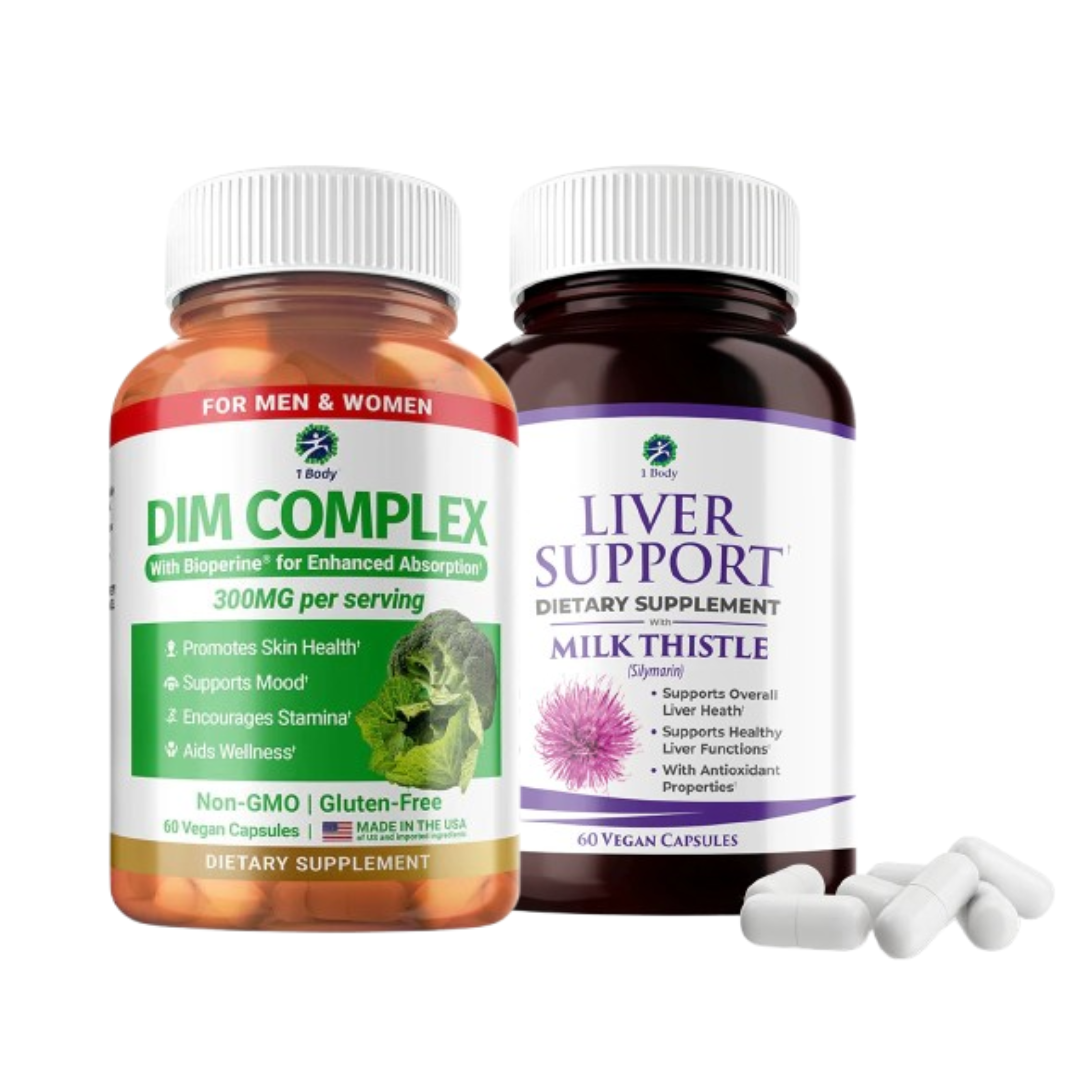
1 Body DIM Complex (300mg with BioPerine®) for optimized estrogen pathway support
-
1 Body Liver Support with Milk Thistle for antioxidant protection and liver efficiency
You create a comprehensive strategy:
-
Guide estrogen metabolism toward healthier metabolites.
-
Strengthen liver function for effective elimination.
This dual approach supports equilibrium rather than aggressive suppression.
How Long Does It Take to Notice Changes?
Hormonal recalibration takes time. Most users report reductions in bloating, improved energy balance, or clearer skin within three to four weeks of consistent use. More noticeable cycle-related improvements may take two to three months, depending on individual physiology.
Consistency matters more than intensity.
Frequently Asked Questions
-
It refers to a relative imbalance between estrogen and progesterone or inefficient estrogen clearance.
The Bottom Line
Hormonal balance is not about eliminating estrogen—it’s about managing it intelligently. Your body already has a sophisticated cleanup crew. The key is supporting it with the right tools. 1 Body DIM Complex (300mg with BioPerine®) helps guide estrogen metabolism toward healthier pathways, while 1 Body Liver Support with Milk Thistle strengthens the organ responsible for clearing it efficiently. Together, they promote a natural, balanced approach to hormone equilibrium—without extreme detoxes or drastic interventions.
For all general inquiries, please contact us at help@1body.com
© Copyright. All rights reserved.