The Best Investment you'll ever Make is in Yourself


If you've ever felt unusually sluggish, foggy, or drained during a humid summer day, you're not imagining it. Humidity makes it harder for your body to release heat efficiently, forcing your cooling systems to work overtime. This extra workload can influence how energized, focused, and comfortable you feel throughout the day. Understanding the relationship between humidity, metabolism, hydration, and thyroid wellness can help you better support your body during the hottest months of the year.
Why Humid Heat Feels Different From Dry Heat
Most people assume that temperature alone determines how uncomfortable a summer day feels. However, humidity often plays an even bigger role.
You may have experienced a 90-degree day in a dry climate that felt manageable, only to struggle through an 80-degree day with high humidity. The difference comes down to how your body cools itself.
Your primary cooling mechanism is sweat. As sweat evaporates from your skin, it carries heat away from your body. In dry conditions, this process works relatively efficiently. In humid conditions, however, the air is already saturated with moisture. Sweat cannot evaporate as effectively, making it much harder for your body to release heat.
As a result, your body must work significantly harder to maintain a comfortable internal temperature.
This extra effort can leave many people feeling:
-
Physically drained
-
Mentally sluggish
-
Less motivated
-
More prone to fatigue
-
Unusually thirsty
-
Less productive during the afternoon
The higher the humidity, the harder your body must work to maintain balance.
The Hidden Connection Between Metabolism and Body Temperature
One reason humid weather can feel so exhausting is because metabolism and temperature regulation are closely connected.
Every time your body produces energy, it also generates heat. In fact, heat production is a natural byproduct of metabolism.
Your thyroid helps regulate this process by influencing how quickly your cells convert nutrients into usable energy. This is why the thyroid is often described as one of the body's metabolic regulators.
Research published in Physiological Reviews highlights the role thyroid hormones play in metabolic activity and energy regulation throughout the body. While seasonal heat does not automatically cause thyroid problems, environmental conditions can influence how the body manages energy production and temperature regulation.
When temperatures rise and humidity remains high, your body faces a unique challenge. It needs energy to function, but it also needs to avoid generating excessive heat.
This balancing act may help explain why some people feel slower, less energetic, or mentally foggy during periods of prolonged humid weather.
Why Your Energy, Focus, and Motivation Can Drop During Humid Weather
Humid weather affects more than physical comfort. It can influence how you feel mentally as well.
When your body is working harder to regulate temperature, resources are constantly being directed toward maintaining balance. At the same time, dehydration becomes more likely because of increased sweating.
Even mild dehydration may affect:
-
Concentration
-
Alertness
-
Mood
-
Productivity
-
Overall comfort
Sleep quality can also suffer.
Many people find it harder to sleep deeply during hot, humid nights. Even small disruptions in sleep can create a ripple effect that impacts energy and focus the following day.
Another common complaint during humid weather is feeling "heavy" or bloated.
This sensation may occur because heat, hydration status, sodium intake, and activity levels can all influence fluid balance. Combined with summer travel, altered routines, and increased stress, it becomes easier to understand why many people feel less energetic during peak summer months.
How Humid Heat Challenges the Body
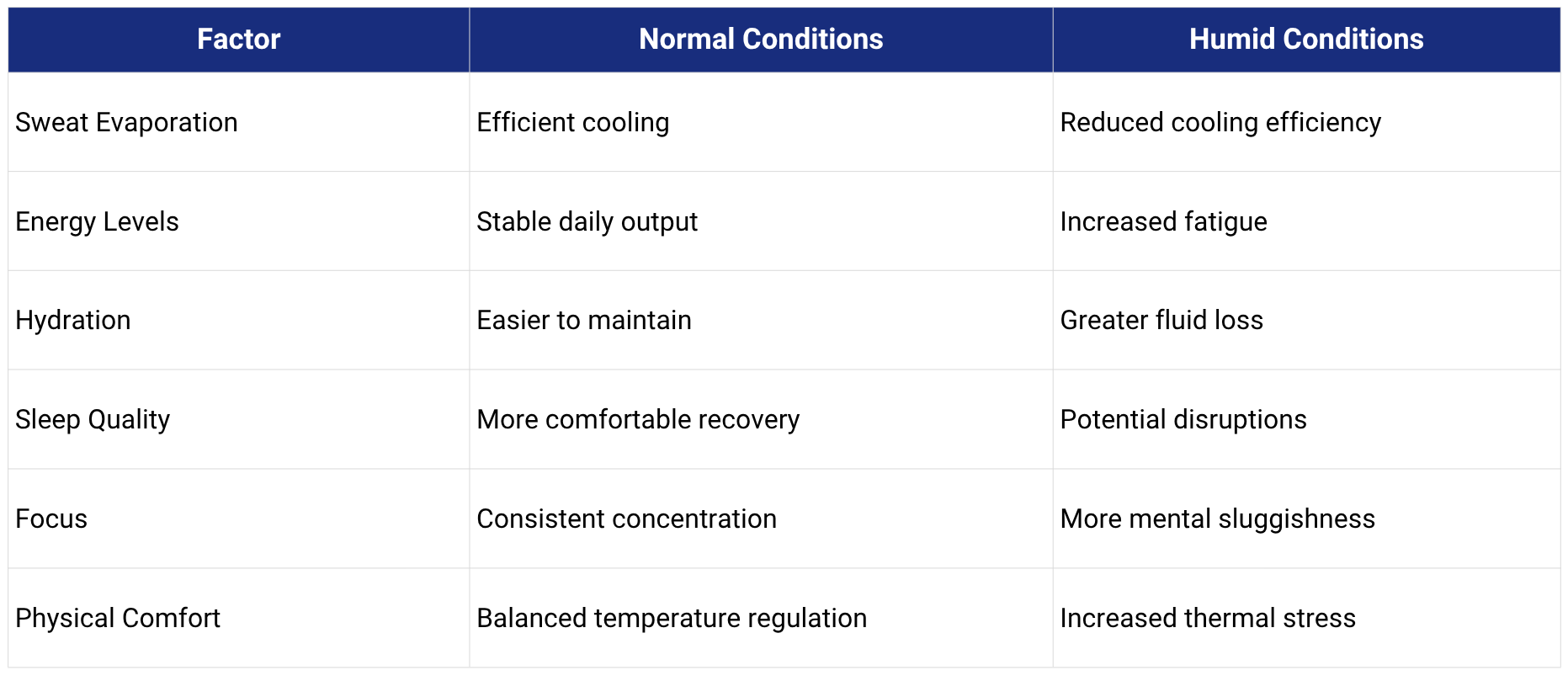
Nutrients That Support Metabolic Wellness During Summer
While lifestyle habits remain the foundation of wellness, nutrition can also play an important role during seasonal transitions.
Several nutrients are commonly discussed in relation to metabolic and thyroid wellness:
Iodine
A key nutrient associated with thyroid hormone production.
Selenium
Frequently included in thyroid support formulas due to its involvement in various physiological processes.
Zinc
Supports numerous cellular functions throughout the body.
Vitamin B12
Often discussed in relation to energy metabolism and vitality.
Ashwagandha
A popular adaptogenic herb commonly used in wellness routines focused on helping the body adapt to everyday stressors.
Together, these nutrients are often incorporated into routines designed to support overall wellness during periods of increased environmental demands.
Support Your Summer Routine with 1 Body Thyroid Support
As temperatures rise, maintaining your wellness routine becomes even more important.
Hydration, sleep, balanced nutrition, movement, and stress management all play a role in helping your body adapt to summer conditions. Many individuals also choose to incorporate targeted nutritional support as part of their daily routine.
1 Body Thyroid Support contains carefully selected ingredients commonly associated with thyroid and metabolic wellness, including Iodine, Selenium, Zinc, Vitamin B12, L-Tyrosine, and Ashwagandha.
Whether you're navigating humid summer weather, managing a busy schedule, or simply looking to support your long-term wellness goals, creating consistent daily habits may help you stay on track throughout the season.

For all general inquiries, please contact us at help@1body.com
© Copyright. All rights reserved.