The Best Investment you'll ever Make is in Yourself


Summer fatigue, brain fog, temperature sensitivity, and low energy can have many possible causes, including heat exposure, dehydration, interrupted sleep, stress, medication effects, and thyroid-related changes. Paying attention to persistent patterns, supporting your body with healthy routines, and speaking with a qualified healthcare professional can help you better understand what your body may need.
Summer is often described as the season of long days, outdoor plans, family trips, and renewed energy. Yet not everyone feels brighter when the temperature rises. For some people, warm weather brings persistent tiredness, mental fog, restless sleep, uncomfortable temperature sensitivity, or the feeling that ordinary tasks require more effort than they should.
It is easy to blame these experiences entirely on a busy schedule or a few unusually hot days. Heat and humidity can certainly affect comfort, hydration, sleep, and energy, but symptoms that continue even after you have rested and cooled down may deserve a closer look. Thyroid function can be one part of that conversation, although symptoms alone cannot determine whether a thyroid condition is present.
The thyroid is a small, butterfly-shaped gland at the front of the neck. Despite its size, it participates in several processes related to metabolism, energy use, heart rate, digestion, and body-temperature regulation. When thyroid hormone levels are outside an appropriate range, people may notice changes in how energetic, comfortable, focused, or physically balanced they feel.
Why Hot Weather Can Leave You Feeling Drained
The body constantly works to keep its internal temperature within a safe range. On hot days, it releases heat through sweating and changes in blood flow near the skin. These natural responses require water, electrolytes, cardiovascular effort, and energy, which is why extended heat exposure can leave even a healthy person feeling unusually tired.
Sleep often becomes less restorative during warm weather as well. A bedroom that stays hot overnight can make it harder to fall asleep, remain asleep, or reach the deeper stages of rest that help you feel refreshed the following day. Several nights of interrupted sleep may contribute to poor concentration, irritability, low motivation, and a heavier feeling throughout the body.
Daily habits can add to the strain. More time outdoors may mean increased sweating, while travel, changing schedules, restaurant meals, alcohol, and additional caffeine can affect hydration and sleep. These factors may create symptoms that overlap with concerns sometimes associated with thyroid changes, including fatigue, brain fog, weakness, and changes in temperature comfort.
This overlap is one reason self-diagnosis is not reliable. Feeling tired during summer does not automatically mean that something is wrong with your thyroid, just as having a thyroid condition does not mean every difficult day is caused by thyroid function. The goal is to notice whether symptoms are brief and clearly connected to heat or whether they persist, become more noticeable, or interfere with normal activities.
The Thyroid’s Role in Energy and Temperature Regulation
Thyroid hormones help regulate the rate at which the body uses energy. They influence many tissues and organs, which means changes in thyroid function can sometimes be felt in several areas of daily life rather than as one obvious symptom.
When thyroid activity is lower than the body needs, some people experience tiredness, slower thinking, constipation, dry skin, increased sensitivity to cold, or unexplained weight changes. When thyroid activity is higher than appropriate, possible symptoms may include increased sweating, heat sensitivity, a rapid heartbeat, nervousness, difficulty sleeping, or unintended weight loss. These symptoms can also have other causes, so laboratory testing and professional evaluation are important.
The thyroid produces primarily thyroxine, commonly called T4, along with smaller amounts of triiodothyronine, or T3. The body converts T4 into T3 in different tissues, and several nutrients participate in normal thyroid hormone production and metabolism. This does not mean that taking more of a nutrient will automatically improve thyroid function; both deficiencies and excessive intake can create concerns.
Iodine, for example, is needed to make thyroid hormones, but too much iodine may be inappropriate for certain people. Selenium participates in enzymes involved in thyroid hormone metabolism, while zinc and iron also contribute to processes related to normal thyroid function. L-tyrosine is an amino acid used in the production of thyroid hormones, although supplementation is not necessary or suitable for everyone.
A large community-based study known as the Colorado Thyroid Disease Prevalence Study found that symptoms often associated with thyroid dysfunction were common in the general population and were not specific enough to confirm a thyroid condition on their own. This is a useful reminder that fatigue, weight changes, temperature sensitivity, and poor concentration should be evaluated in context rather than treated as proof of a particular diagnosis.
Summer Fatigue or Something Worth Discussing?
Typical summer fatigue often improves with cooling, hydration, nourishment, and rest. A person may feel tired after several hours outside, then recover after spending time in a cooler environment, drinking fluids, eating a balanced meal, and getting a good night’s sleep.
A pattern worth discussing may feel different. The tiredness may continue for several weeks, appear even on less active days, or remain despite reasonable rest. You may also notice additional changes involving heart rate, bowel habits, skin, hair, mood, menstrual cycles, weight, sleep, or temperature tolerance.
The following comparison is not a diagnostic tool, but it may help you organize what you are noticing before speaking with a healthcare professional:
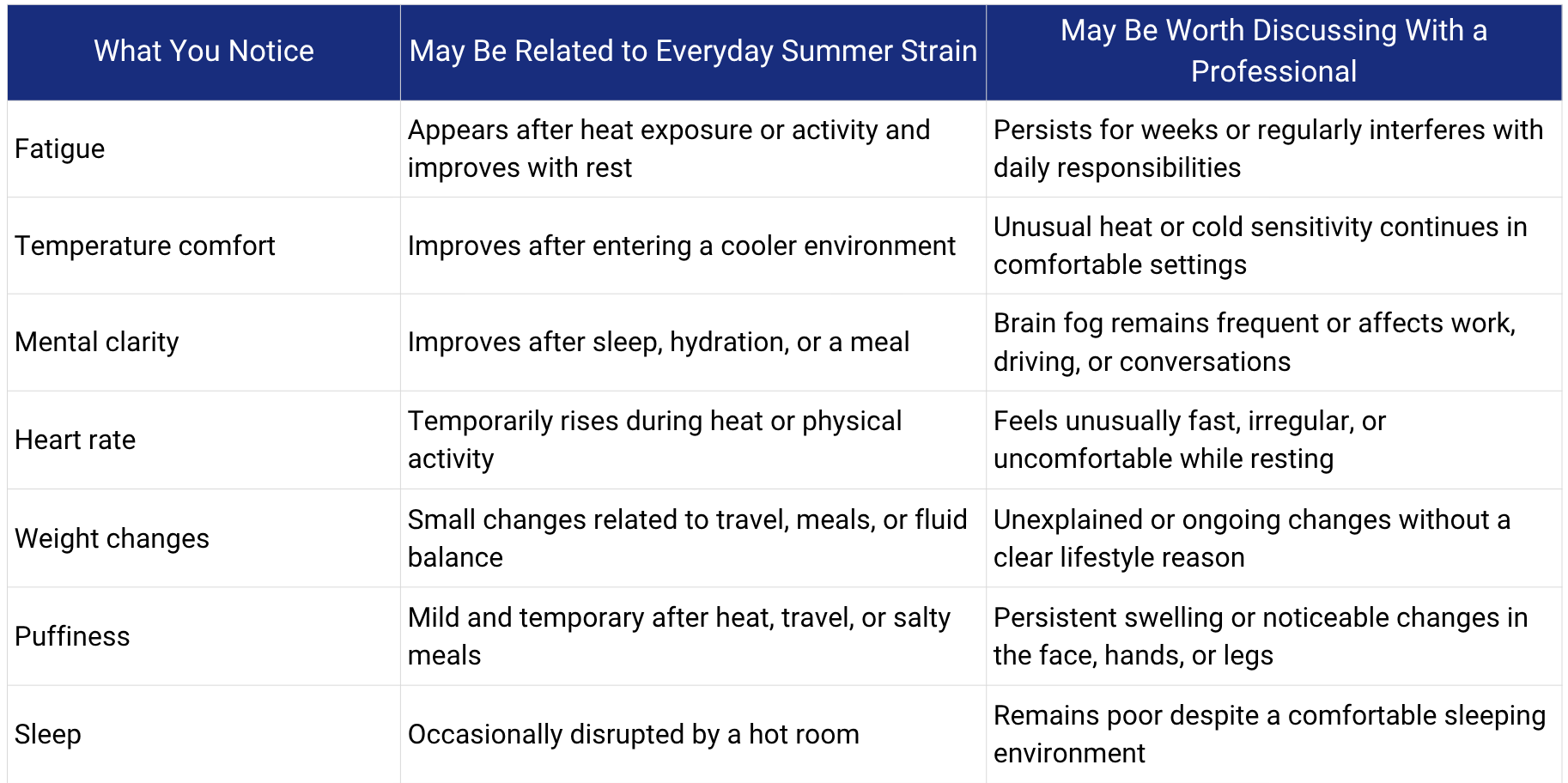
Keep in mind that anemia, sleep apnea, blood sugar changes, nutritional deficiencies, infections, depression, anxiety, medication side effects, hormonal shifts, and other conditions can also contribute to tiredness and poor concentration. A healthcare professional may review your symptoms, medical history, medications, family history, and laboratory results before determining what should happen next.
Seek prompt medical attention for chest pain, fainting, severe shortness of breath, confusion, a very rapid or irregular heartbeat, or symptoms of heat-related illness. Supplements and general wellness information should never delay urgent care.
Everyday Habits That Support Thyroid Wellness
Supporting thyroid wellness begins with whole-body care rather than trying to control one gland in isolation. Consistent meals, sufficient sleep, sensible heat precautions, regular movement, and appropriate medical care create a foundation that supports energy and overall well-being in every season.
Hydration is especially important during warm weather. Drink regularly throughout the day, and consider your activity level, climate, health conditions, and medications when deciding how much fluid you need. People who have been instructed to restrict fluids or manage electrolyte intake should follow guidance from their healthcare professional rather than relying on general recommendations.
Balanced nutrition matters too. A varied diet that includes vegetables, fruits, whole grains, protein sources, healthy fats, and mineral-rich foods can provide many of the nutrients used in normal metabolic processes. Seafood, dairy foods, eggs, beans, nuts, seeds, meats, and fortified products may contribute different thyroid-related nutrients, depending on your dietary pattern.
More is not always better. High-dose iodine or selenium can be harmful, and certain supplements may interfere with thyroid medication or laboratory testing. Anyone taking levothyroxine or another thyroid medicine should ask a pharmacist or healthcare professional how to separate it from iron, calcium, fiber supplements, or other products that may affect absorption.
Regular movement can support cardiovascular health, sleep, mood, mobility, and healthy aging. During hot weather, consider walking earlier in the morning, choosing an indoor activity, slowing your usual pace, or taking more frequent breaks. The aim is to stay active without treating exhaustion as a sign that you need to push harder.
A simple symptom record can also be helpful. Note when fatigue occurs, how well you slept, your exposure to heat, fluid intake, medications, and any other changes you have noticed. This information can make a medical conversation more specific and may help identify patterns that are difficult to remember later.
When Targeted Nutritional Support May Fit Your Routine
After considering sleep, hydration, nutrition, activity, and appropriate medical evaluation, some adults explore a dietary supplement as part of their thyroid wellness routine. Supplements should be approached thoughtfully because thyroid-related nutrients can affect people differently, particularly when a diagnosed thyroid condition or prescription medication is involved.
1 Body Thyroid Support is formulated with a blend of nutrients commonly included in thyroid wellness products, including minerals, L-tyrosine, and botanical ingredients. It is designed to complement everyday metabolic and nutritional support rather than diagnose, treat, cure, or prevent a thyroid disorder.
The formula reflects 1 Body’s approach of combining nature-inspired ingredients with thoughtful formulation—“Nature’s Gifts, Refined by Science”—while keeping communication clear and transparent. Before beginning the product, review the full Supplement Facts panel and discuss the ingredients with a healthcare professional, especially when you take thyroid medication, have an autoimmune condition, are pregnant or breastfeeding, or have upcoming laboratory tests.
Frequently Asked Questions
-
Changes in thyroid function may influence energy, sweating, heart rate, and temperature comfort, but heat sensitivity can have many other causes. Persistent or significant symptoms should be evaluated rather than assumed to be thyroid-related.
Listen When Your Body Asks You to Slow Down
When summer feels harder than expected, your body may be responding to a combination of heat, disrupted sleep, dehydration, stress, changing routines, or an underlying health concern. Thyroid function may be part of the picture for some people, but it should not be treated as the automatic explanation for every low-energy day.
The most useful first step is awareness. Notice which symptoms improve with cooling and rest, which ones continue, and whether they are affecting your ability to work, exercise, sleep, or enjoy everyday activities. A simple record can help you replace guesswork with clearer information.
From there, focus on practical care: drink appropriately, eat varied and nourishing foods, protect your sleep, adjust physical activity during extreme heat, and keep routine healthcare appointments. When nutritional support is appropriate, choose a clearly labeled product and review it with a qualified professional who understands your health history.
1 Body Thyroid Support
1 Body Thyroid Support is a daily dietary supplement created for adults who want to complement their wellness routine with selected minerals, L-tyrosine, and botanical ingredients. The formula is intended to provide nutritional and metabolic support alongside balanced meals, restorative sleep, appropriate activity, and professional thyroid care.
Product features and wellness-supporting qualities include:
-
Formulated with selected nutrients commonly associated with thyroid wellness
-
Includes L-tyrosine, an amino acid involved in thyroid hormone production
-
Provides mineral-based nutritional support
-
Includes botanical ingredients for a well-rounded wellness formula
-
Designed to complement everyday metabolic support
-
Convenient for inclusion in an established daily routine
-
Clearly positioned as a dietary supplement rather than a medical treatment
-
Best used alongside balanced nutrition and appropriate healthcare
-
Reflects 1 Body’s combination of natural inspiration and thoughtful formulation
-
Supports a proactive, informed approach to seasonal and year-round wellness
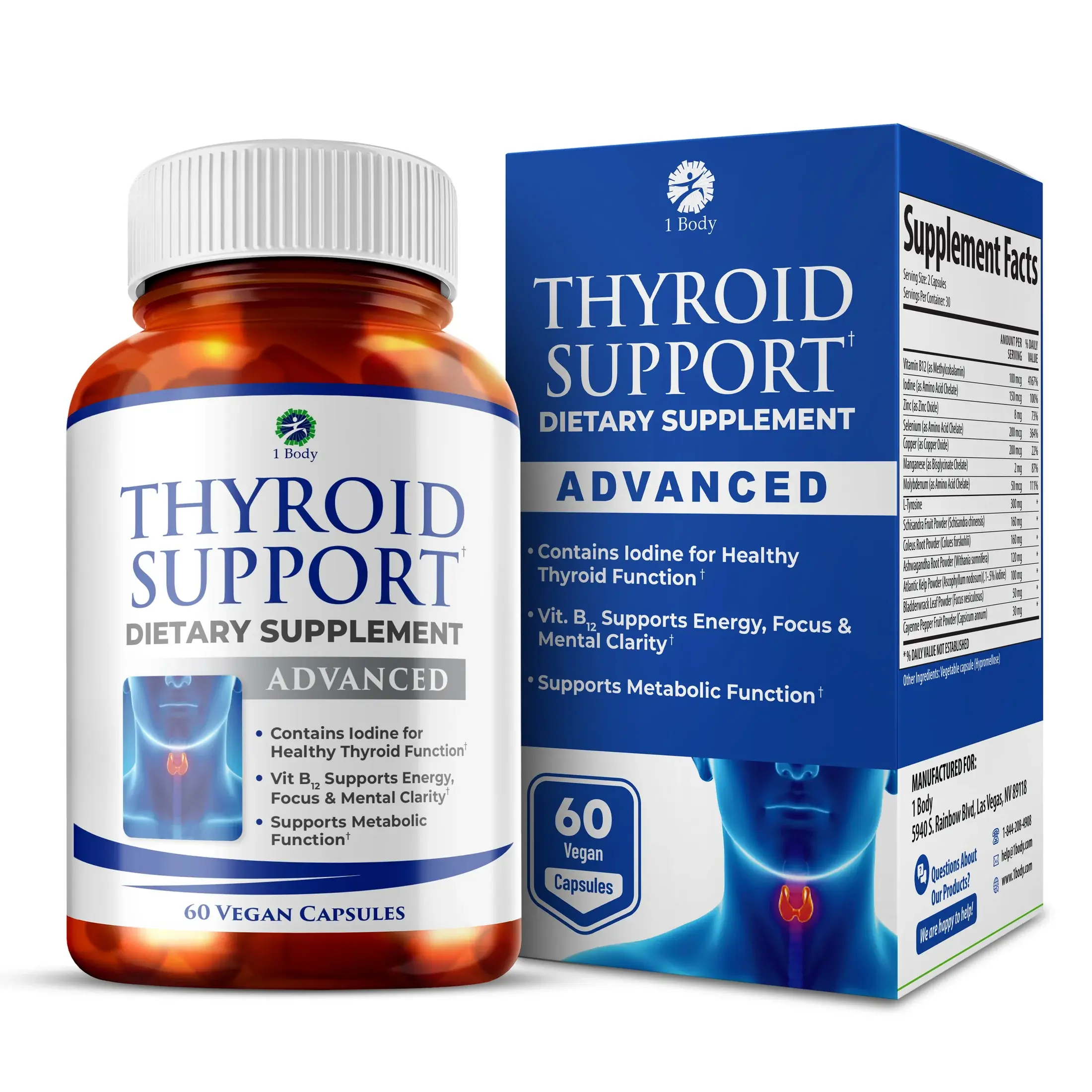
1 Body Thyroid Support may be a practical choice for adults looking for a convenient way to add targeted nutrients to an already balanced lifestyle. Choose it as part of a complete wellness plan, and consult a healthcare professional to confirm that its ingredients and serving directions are appropriate for your needs.
Reference
Canaris, G. J., Manowitz, N. R., Mayor, G., & Ridgway, E. C. (2000). The Colorado thyroid disease prevalence study. Archives of Internal Medicine, 160(4), 526–534. https://doi.org/10.1001/archinte.160.4.526
For all general inquiries, please contact us at help@1body.com
© Copyright. All rights reserved.