The Best Investment you'll ever Make is in Yourself

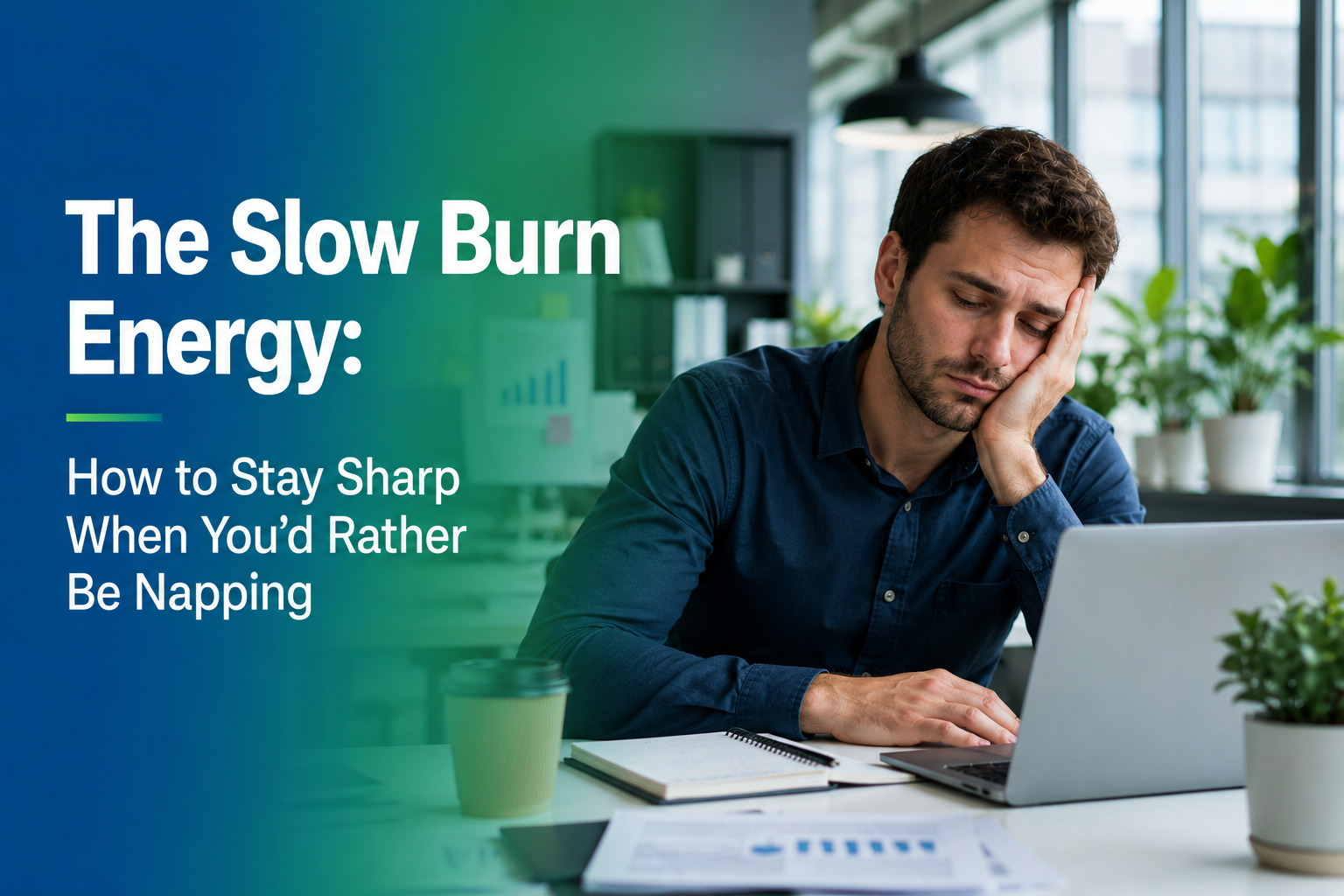
Feeling like you’re running on 10% battery by noon is not always about how much sleep you got. Your thyroid plays an important role in healthy energy metabolism, helping your body use energy at a steady pace. Supporting normal thyroid function with key nutrients like iodine, selenium, zinc, and adaptogens like ashwagandha may help maintain a more balanced “slow burn” energy rhythm throughout the day.
Why Your Energy Can Feel Like It Disappears by Midday
We have all felt it at some point: the afternoon wall. You start the day with decent intentions, maybe even a strong cup of coffee, but by early afternoon your focus feels dull, your motivation dips, and simple tasks begin to feel heavier than they should. For many people, the first instinct is to reach for more caffeine, a sugary snack, or another quick fix. Those may help temporarily, but they do not always address the deeper reason your energy rhythm feels uneven.
Daily energy is not just about stimulation. It is also about how well your body supports normal metabolism, stress response, nutrient intake, and mental clarity. When those systems feel out of balance, you may notice that your body does not crash dramatically all at once, but slowly fades as the day goes on. You may still be awake, but you do not feel sharp. You may be functioning, but not with the steady energy you want.
This is where thyroid support becomes an important wellness topic. Your thyroid is a small gland in your neck, but it plays a meaningful role in how your body regulates energy use. It does not work alone, and it is not the only factor involved in fatigue or focus, but it is part of the bigger picture. When you think about healthy energy metabolism, the thyroid is one of the key systems worth supporting.
The Thyroid’s Role in Your Daily Energy Rhythm
The thyroid helps produce hormones that influence how the body uses energy. In simple terms, it contributes to the pace of your metabolic rhythm. When people talk about metabolism, they often think only about weight, but metabolism is much broader than that. It affects how cells use fuel, how the body maintains temperature, and how steady or sluggish your energy may feel throughout the day.
A helpful way to think about this is the “slow burn” concept. Instead of chasing sharp spikes of energy followed by sudden crashes, the goal is to support a more consistent, steady rhythm. This does not mean you will feel energized every second of the day, and it does not mean a supplement can override poor sleep, skipped meals, or chronic stress. It simply means that supporting the systems connected to energy metabolism may help you build a better foundation.
Your thyroid relies on several nutrients to function normally. Iodine is involved in thyroid hormone production, selenium is connected to thyroid hormone metabolism, and zinc plays a role in many normal biological processes, including immune and metabolic function. A 2023 scientific review notes that iodine and selenium are among the trace elements that provide basic requirements for thyroid hormone synthesis and metabolism, reinforcing why adequate nutrient intake matters in thyroid wellness conversations.
That said, more is not always better. Thyroid health is sensitive, and anyone with a diagnosed thyroid condition, anyone taking thyroid medication, pregnant or nursing individuals, or anyone under medical care should speak with a healthcare professional before adding thyroid-related supplements.
The Nutrient Connection: What Your Thyroid Needs to Function Normally
Your thyroid does not operate in isolation. It depends on nutrients, stress regulation, sleep, and overall wellness habits. If your diet is inconsistent or your routine is demanding, it can become harder to maintain the nutritional foundation your body needs. This is why many people become interested in thyroid support supplements—not as a cure or treatment, but as a way to help maintain normal thyroid function and healthy energy metabolism.
Iodine is one of the best-known thyroid-related nutrients because it is part of thyroid hormone structure. Food sources can include seaweed, kelp, dairy, seafood, and iodized salt, though intake varies depending on diet. Selenium is another important nutrient because it is involved in enzymes related to thyroid hormone metabolism. Brazil nuts, seafood, eggs, and certain meats can provide selenium, but consistency varies widely by food source and soil conditions.
Ashwagandha adds a different angle. It is an adaptogenic herb traditionally used to help the body adapt to everyday stress. Since stress can affect how energized or drained you feel, adaptogens are often included in wellness routines focused on balance, calm, and resilience. For thyroid support formulas, ashwagandha is typically positioned around stress response support rather than as a direct solution for thyroid issues.
Zinc also deserves attention because it contributes to normal cellular processes and is commonly included in thyroid wellness discussions. Together, these nutrients create a more complete support picture: iodine for thyroid hormone building blocks, selenium for thyroid hormone metabolism, zinc for normal body processes, and ashwagandha for stress-response support.
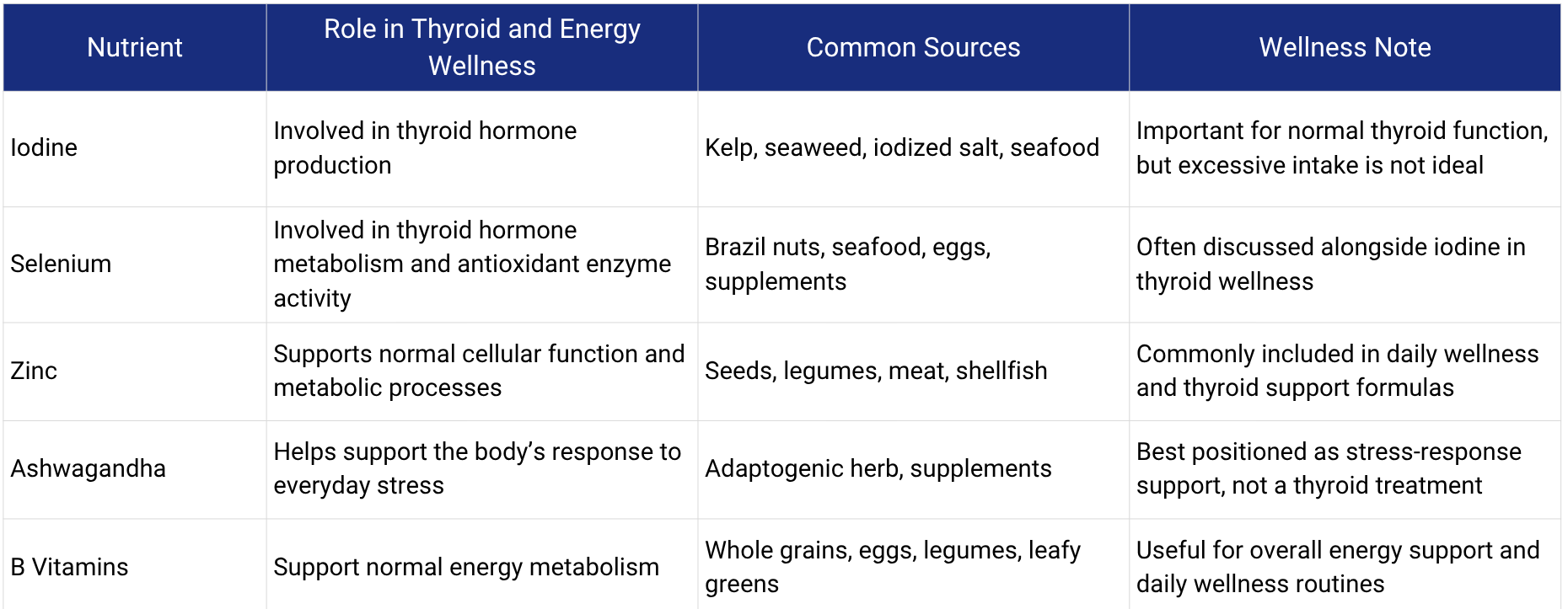
This table shows why a thyroid support routine is usually not about one single ingredient. It is about giving the body a thoughtful combination of nutrients that work within normal wellness pathways. However, it is important to stay realistic. Supplements should complement a healthy diet, consistent sleep, hydration, movement, and medical guidance when needed.
Stress, Focus, and the “Tired but Wired” Feeling
One of the most frustrating energy patterns is feeling tired but wired. Your body feels worn down, but your mind will not fully settle. You may feel mentally foggy during the day but restless at night. This can happen when your routine keeps your nervous system in a high-demand state for too long. Stress, poor sleep, irregular meals, and nonstop screen time can all contribute to the feeling that your body is working hard without producing steady energy.
This is why thyroid support content often overlaps with stress support and focus support. If you are constantly relying on caffeine to push through, your body may never get the chance to build a steadier rhythm. A better approach is to support the foundations: balanced meals, enough protein, hydration, daily movement, sleep consistency, and nutrients that help maintain normal energy metabolism.
The “slow burn” energy idea is not about forcing your body into overdrive. It is about helping your body maintain a steadier pace. Instead of thinking, “How do I spike my energy right now?” the better question may be, “How do I support the systems that help me feel steady throughout the day?” That shift can make your wellness routine feel more sustainable and less dependent on quick fixes.
Where 1 Body Thyroid Support Fits Into the Story
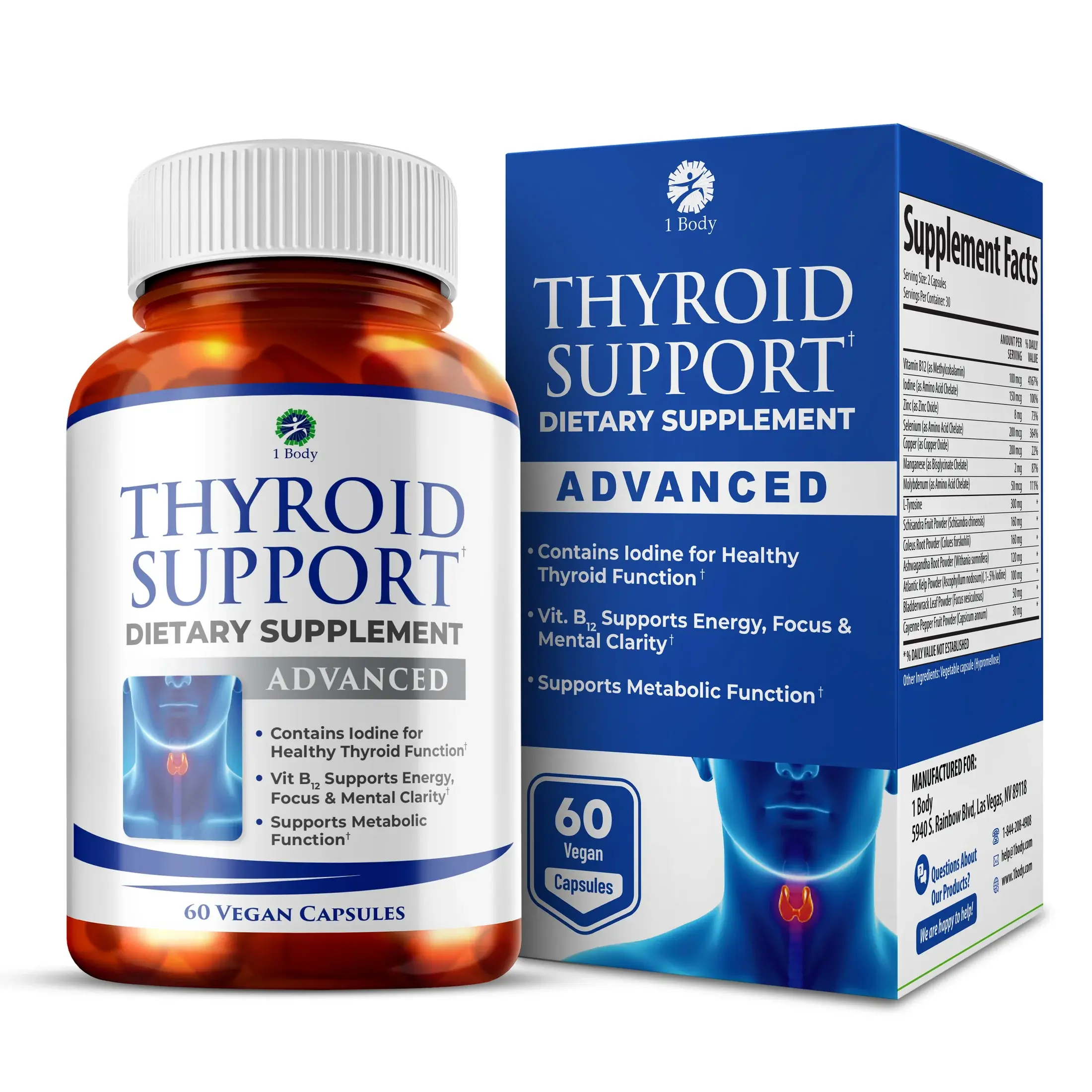
Once the foundation is clear, 1 Body Thyroid Support fits naturally into the conversation. It is formulated for people who want to support normal thyroid function, healthy energy metabolism, and everyday wellness with a targeted blend of thyroid-supporting nutrients and adaptogenic support. It is not meant to diagnose, treat, cure, or prevent any condition, and it should not replace medical care, especially for anyone managing a thyroid condition.
What makes 1 Body Thyroid Support a practical option is the way it brings together nutrients often discussed in thyroid wellness, including iodine, selenium, zinc, and ashwagandha. Instead of piecing together separate ingredients on your own, this formula offers a convenient way to add thyroid-focused nutritional support to your daily routine.
If your energy feels inconsistent, your focus fades by midday, or your routine depends too heavily on caffeine, supporting your thyroid wellness may be worth considering. With a formula designed around healthy energy metabolism and normal thyroid support, 1 Body Thyroid Support can be part of a bigger wellness plan that includes balanced meals, quality sleep, movement, and stress management.
Think of it as support for the “slow burn” approach: steady, foundational, and designed to fit into your everyday routine.
Frequently Asked Questions
-
Yes, you can support normal thyroid function through healthy lifestyle habits such as balanced nutrition, adequate sleep, stress management, and consistent movement. Nutrients like iodine, selenium, zinc, and certain adaptogens are often included in thyroid wellness routines, but medical thyroid conditions should always be managed with a healthcare professional.
Support Your Inner Fire the Smart Way
The afternoon crash is not always something you can fix with another cup of coffee. Sometimes, the better approach is to look at your daily energy from a wider perspective: thyroid wellness, nutrient intake, stress response, sleep, and overall metabolic support. Your thyroid may be small, but it plays a meaningful role in how your body maintains healthy energy metabolism.
The “slow burn” approach is about building steady support rather than chasing temporary spikes. By focusing on nutrients like iodine, selenium, zinc, and adaptogens like ashwagandha, you can create a more intentional routine around normal thyroid function and daily energy. When paired with healthy habits, thoughtful thyroid support may help you feel more consistent, focused, and prepared for the demands of the day.
1 Body Thyroid Support
1 Body Thyroid Support is designed for those who want a simple, targeted way to support normal thyroid function and healthy energy metabolism. With a blend that includes iodine, selenium, zinc, and ashwagandha, it fits naturally into a daily wellness routine focused on balance, focus, and steady support.
Benefits:
-
Helps support normal thyroid function
-
Supports healthy energy metabolism
-
Includes iodine and selenium for thyroid wellness
-
Features zinc for daily metabolic support
-
Includes ashwagandha to support the body’s response to everyday stress
-
Convenient daily formula for a consistent wellness routine
If you are ready to move beyond quick caffeine fixes and build a steadier foundation for daily energy, 1 Body Thyroid Support is a smart addition to your routine. Add it to your wellness plan alongside balanced meals, hydration, movement, and quality sleep to support your inner fire from the inside out.
Citation Kaltsatou, A., Notley, S. R., & Kenny, G. P. (2020). Effects of exercise-heat stress on circulating stress hormones and interleukin-6 in young and older men. Temperature, 7(4), 389–393. https://doi.org/10.1080/23328940.2020.1768032
For all general inquiries, please contact us at help@1body.com
© Copyright. All rights reserved.