The Best Investment you'll ever Make is in Yourself

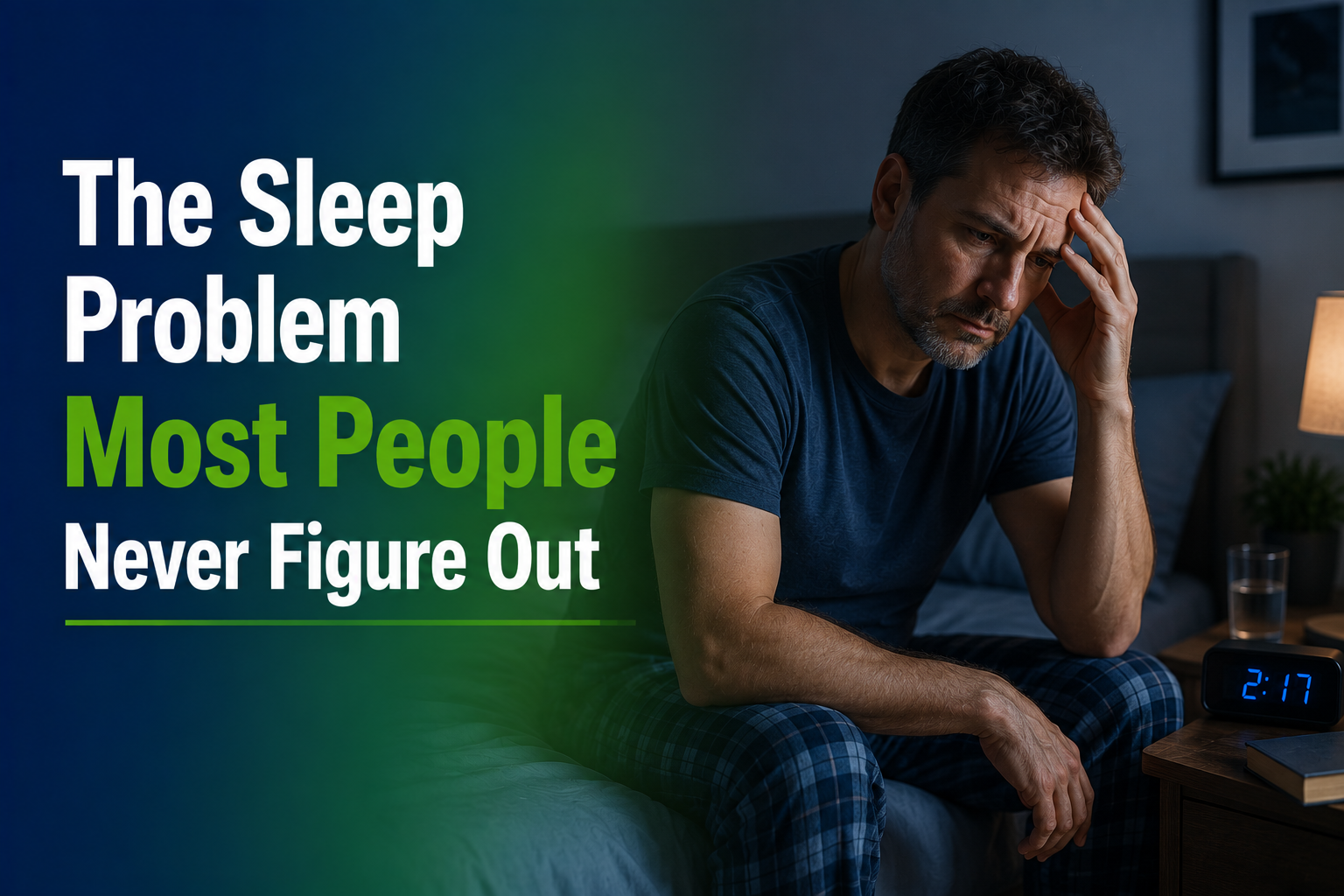
Nighttime rest is not only influenced by melatonin. Stress, daily habits, and cortisol rhythm may also play a role in the tired-but-wired feeling, racing thoughts at bedtime, and waking during the night, which is why supporting a calmer stress response during the day can be an important part of a better evening routine.
Why Sleep Struggles Are Not Always About Melatonin
There is a familiar kind of frustration that happens when your body feels exhausted, but your mind refuses to settle. You may dim the lights, put your phone away, make the bedroom cooler, and still find yourself staring at the ceiling while your thoughts keep moving. For many people, the first assumption is that they need more melatonin or a stronger nighttime routine, but sleep can be affected by more than the signal that tells your body it is time for bed.
Stress has a way of following people into the evening. Even when the workday ends, the body may still feel like it is “on,” especially after a long stretch of deadlines, emotional pressure, family responsibilities, travel, or inconsistent sleep. This is one reason the phrase tired but wired feels so accurate. The body is ready to rest, but the nervous system still feels alert.
A restful night usually begins long before your head touches the pillow. Hydration, meals, caffeine timing, light exposure, movement, and stress management all help shape the body’s evening rhythm. When these habits are inconsistent, the body may have a harder time shifting from daytime alertness into nighttime relaxation.
That does not mean every restless night is a sign of a serious issue. Occasional sleep disruption is common, especially during busy or stressful seasons. However, when the pattern keeps repeating, it may be worth looking beyond melatonin and thinking more about cortisol, daily stress, and the way your body transitions into rest.
How Cortisol Fits Into Your Natural Sleep-Wake Rhythm
Cortisol is often called the stress hormone, but that nickname does not tell the full story. Cortisol is part of the body’s natural daily rhythm, and it helps you feel alert in the morning, respond to normal demands, and move through your day with energy. In a balanced rhythm, cortisol is generally higher earlier in the day and lower in the evening, which helps create space for rest.
This is why cortisol is not something the body should eliminate. It has a helpful role when it rises and falls at the right times. The challenge begins when stress, irregular routines, late caffeine, poor sleep, or a packed schedule make the body feel as if it needs to stay alert later than usual.
When evening cortisol stays higher than expected, winding down may feel harder. Instead of feeling sleepy and calm, you may feel mentally busy, physically tense, or unusually alert even though you are tired. Some people also notice that they can fall asleep at first but wake later in the night with a sudden rush of thoughts or energy.
Research has explored the relationship between stress-support botanicals and cortisol markers. One randomized, placebo-controlled study on ashwagandha extract in stressed adults found improvements in perceived stress and changes in morning cortisol compared with placebo, though this should be understood as supportive research rather than proof that any ingredient treats sleep problems or medical conditions.
The Tired-but-Wired Pattern and Late-Night Waking
The tired-but-wired pattern can feel confusing because it seems contradictory. You may spend the day wishing you had more energy, only to feel strangely alert when it is finally time to sleep. This often happens when the body has been pushing through stress for too long and has not had enough calm signals throughout the day.
Late-night waking can happen for many reasons, including stress, temperature, alcohol, blood sugar changes, noise, medication, hormones, or sleep disorders. Still, many people notice that their middle-of-the-night wakeups feel different when stress is high. Instead of simply rolling over and falling back asleep, the mind turns on, the heart may feel more noticeable, and tomorrow’s to-do list suddenly feels urgent.
This is where a gentler approach can help. Rather than trying to force sleep, it may be more useful to support the body’s ability to shift into calm earlier in the day and evening. A steady schedule, quiet nighttime routine, and stress-support habits can make bedtime feel less like a hard stop and more like a natural landing.
It also helps to stop treating rest as something that only happens at night. Small moments of calm during the day can train the body to recognize safety and relaxation. A five-minute walk, a few slow breaths, a real lunch away from the computer, or a calmer caffeine routine may seem small, but these habits can help reduce the feeling that your body is running on emergency mode.
Cortisol and Sleep Support at a Glance
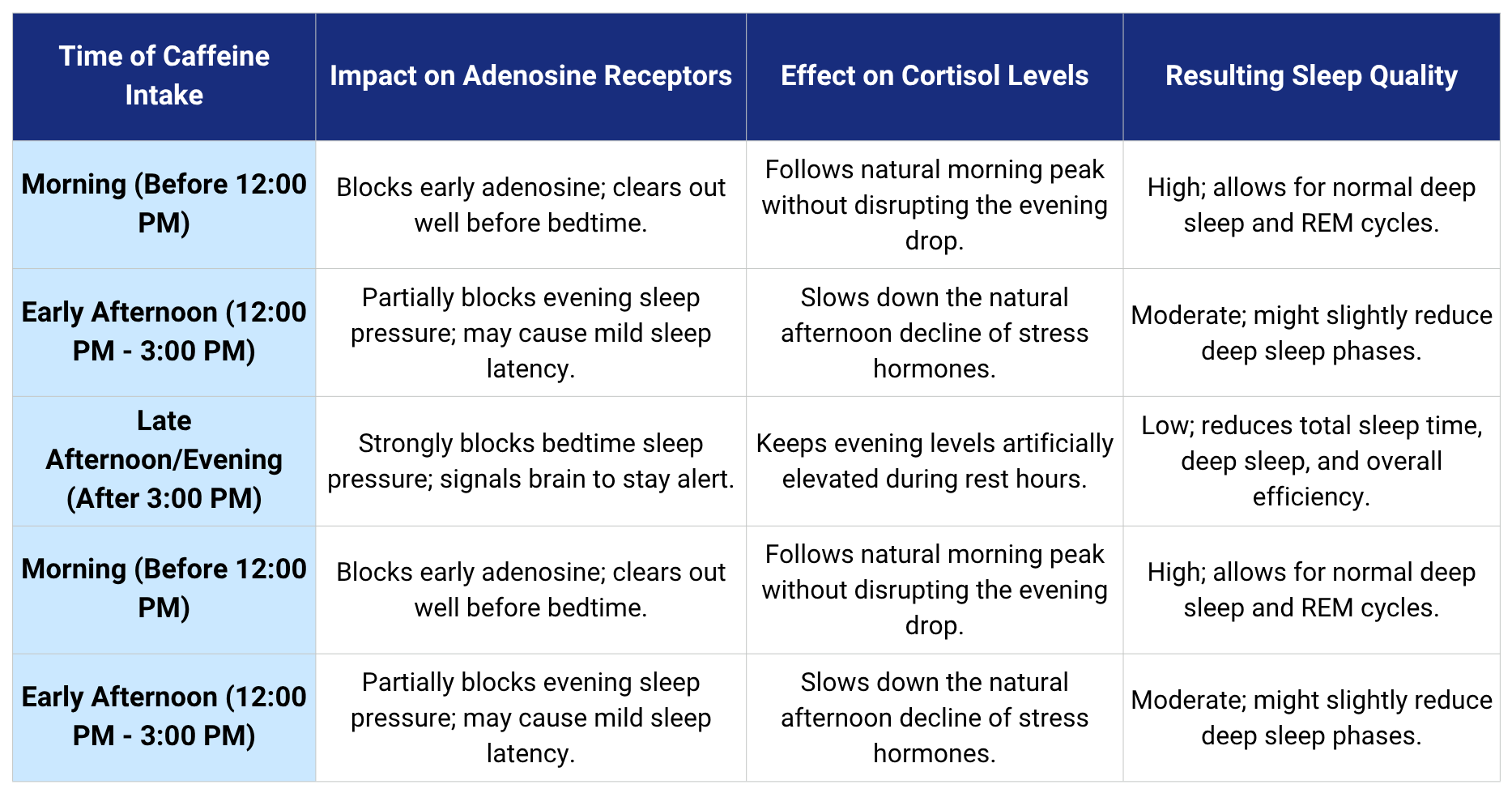
This table is not meant to diagnose sleep issues, but it can help show how many everyday factors influence nighttime rest. Better sleep support often comes from reducing friction throughout the day, not only adding something at bedtime.
Daily Habits That Help Support a Calmer Nighttime Routine
A calmer night usually starts with a more predictable day. One helpful shift is getting morning light soon after waking, because light exposure helps reinforce your daily rhythm. Pairing that with a consistent wake time can make the body’s internal schedule feel more stable over time.
Caffeine timing is another simple place to look. Some people process caffeine quickly, while others feel its effects much longer than expected. If sleep feels restless, moving caffeine earlier in the day may be a gentle experiment worth trying.
Meals can also influence how steady the body feels. Going too long without eating, relying on sugar late in the day, or eating a very heavy meal right before bed may affect comfort and energy. A balanced dinner with protein, fiber, and healthy fats can support a smoother evening routine for many people.
Stress support is just as important. You do not need a perfect meditation practice to help your body settle. A warm shower, light stretching, slow breathing, prayer, journaling, reading, or a quiet walk can all create a signal that the day is closing. The goal is not to make the routine complicated; the goal is to repeat small calming cues until your body starts to recognize them.
Sleep hygiene still matters, too. A cool room, comfortable bedding, lower light, less screen time, and a predictable bedtime can all support rest. When these basics are paired with stress-support habits, the body may have an easier time moving out of daytime alertness.
Support Your Evening Wind-Down with 1 Body Cortisol Balance
When daily stress keeps showing up at bedtime, it may be helpful to add targeted support to your routine. 1 Body Cortisol Balance is designed for adults who want to support healthy cortisol levels, daily relaxation, and a calmer nighttime rhythm as part of a balanced lifestyle. It fits naturally into a routine that already includes steady sleep habits, nourishing meals, gentle movement, and intentional stress management.
The product in the image features a premium blend that includes Shoden® Ashwagandha, Rhodiola, and Phosphatidylserine. Ashwagandha and Rhodiola are adaptogenic botanicals commonly used to support the body’s response to everyday stress, while Phosphatidylserine is often included in formulas focused on cognitive and stress-response support. Together, these ingredients make 1 Body Cortisol Balance a thoughtful choice for people who want help creating a smoother transition from daily demands to evening calm.
As always, use supplements as directed and speak with a healthcare professional if you are pregnant, nursing, taking medication, managing a medical condition, or experiencing ongoing sleep concerns. A supplement should support your wellness routine, not replace medical guidance or the foundational habits that help your body rest well.
Frequently Asked Questions
-
Waking around 3 AM can happen for many reasons, including stress, temperature, alcohol, blood sugar shifts, or sleep schedule changes. If it happens often, it may help to look at your stress routine, evening habits, and overall sleep environment.
Better Rest Often Starts Before Bedtime
The sleep problem many people miss is that nighttime rest is closely connected to daytime stress. Melatonin may be part of the conversation, but cortisol rhythm, nervous system balance, caffeine timing, light exposure, meals, and emotional load all help shape how easily the body settles at night.
A better approach is to support the whole rhythm, not just the final hour before bed. Gentle daily movement, calmer evenings, consistent sleep cues, and stress-support habits can help the body feel safer and more ready for rest. For those who want added support, 1 Body Cortisol Balance offers a convenient way to care for the stress side of the sleep equation.
1 Body Cortisol Balance
1 Body Cortisol Balance is made for people who want daily support for stress, relaxation, and healthy cortisol levels. Its blend of Shoden® Ashwagandha, Rhodiola, and Phosphatidylserine is designed to fit into a simple wellness routine that supports calm evenings and more intentional rest.
Benefits include:
-
Supports healthy cortisol levels as part of a balanced lifestyle
-
Helps support the body’s response to everyday stress
-
Promotes relaxation and a calmer evening routine
-
Features Shoden® Ashwagandha
-
Includes Rhodiola for adaptogenic stress support
-
Includes Phosphatidylserine for stress-response and cognitive support
-
Pairs well with healthy sleep habits, gentle movement, and evening wind-down routines
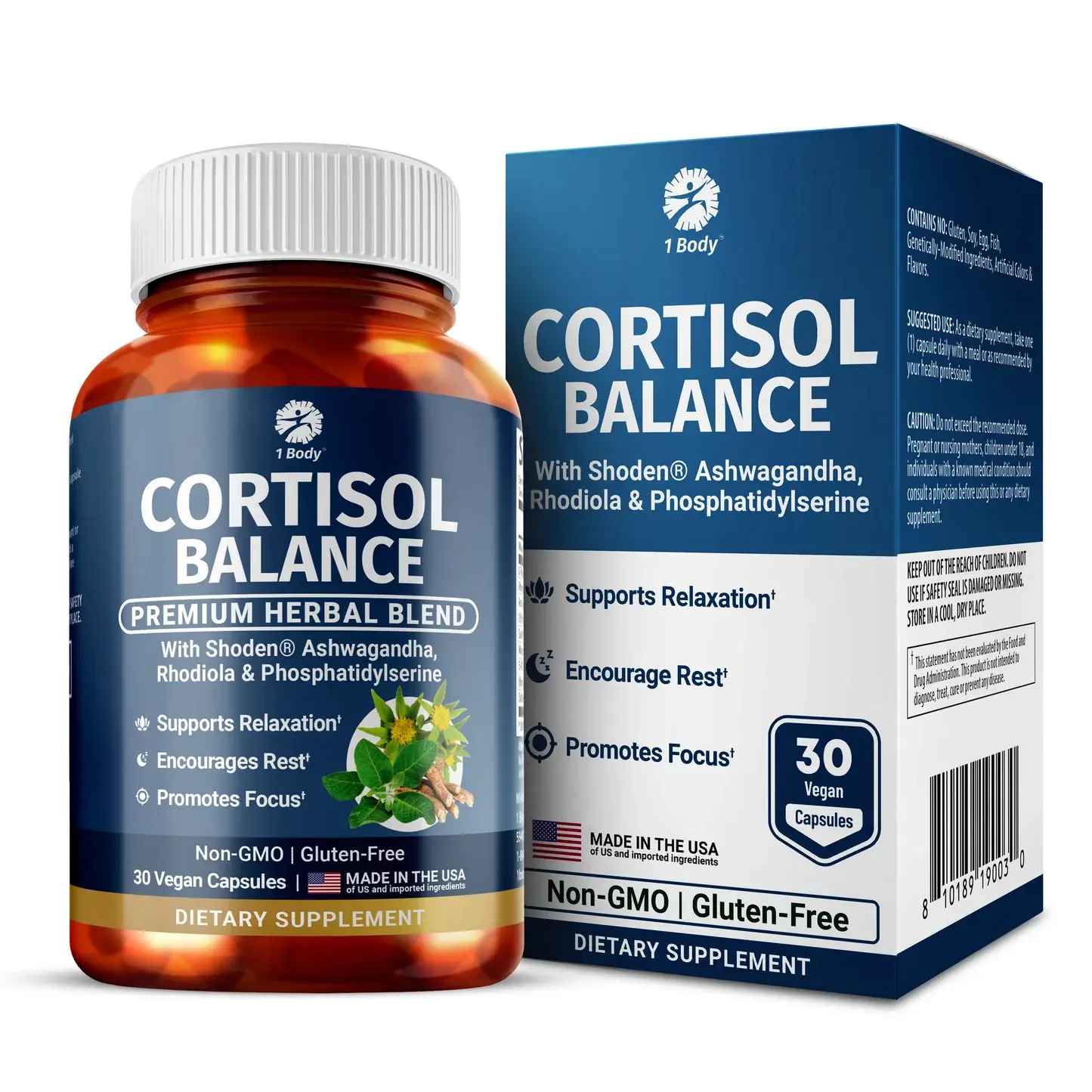
Choosing 1 Body Cortisol Balance is a simple way to support your body before bedtime even begins. If stress has been making your evenings feel restless, this supplement can help you build a calmer routine that supports relaxation from the inside out.
Citation
Lopresti, A. L., Smith, S. J., Malvi, H., & Kodgule, R. (2019). An investigation into the stress-relieving and pharmacological actions of an ashwagandha extract: A randomized, double-blind, placebo-controlled study. Medicine, 98(37), e17186. https://doi.org/10.1097/MD.0000000000017186
For all general inquiries, please contact us at help@1body.com
© Copyright. All rights reserved.