The Best Investment you'll ever Make is in Yourself

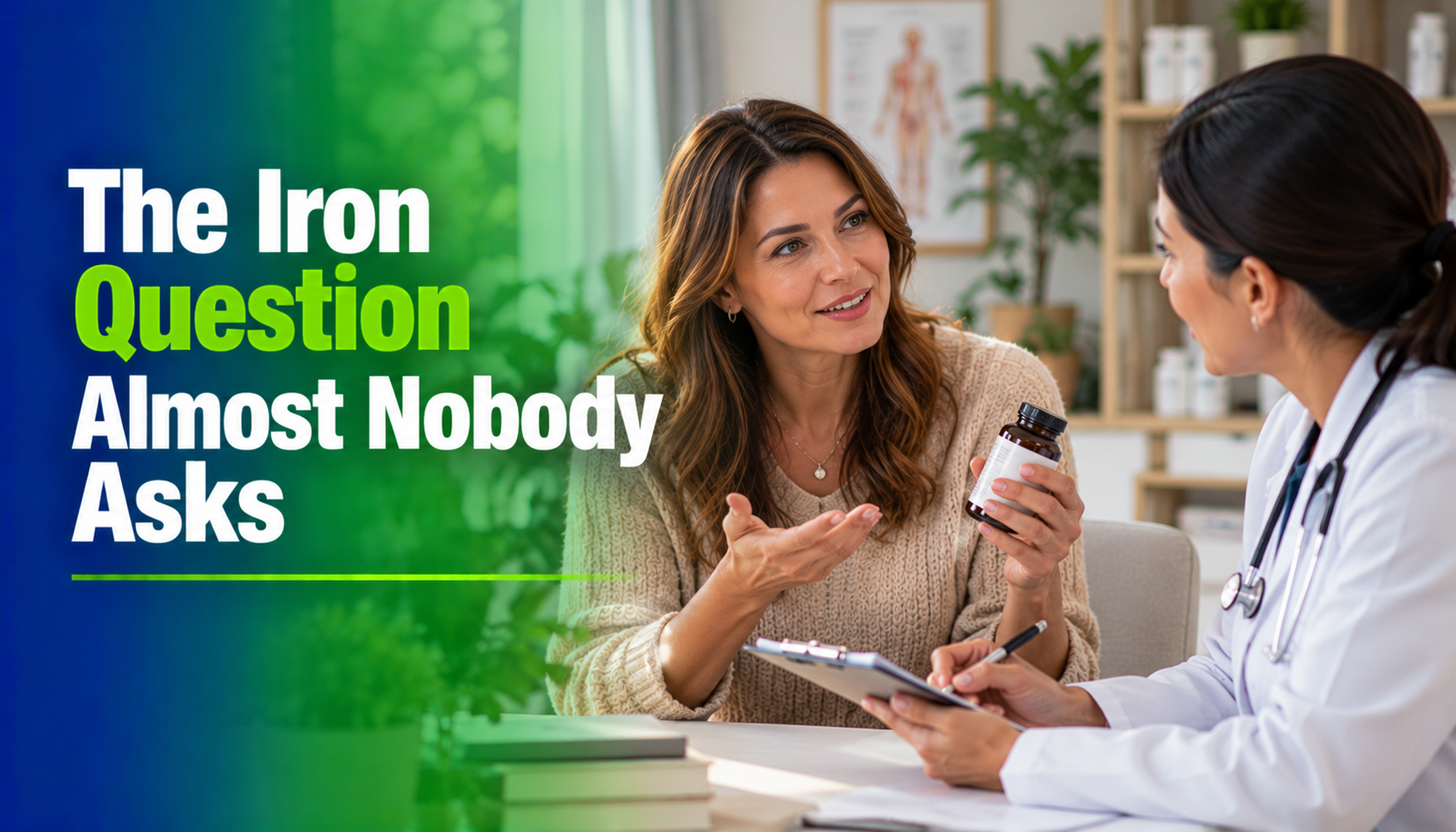
When iron levels are low, the first conversation usually focuses on getting more iron. But it can also be useful to ask whether ongoing blood loss, dietary habits, nutrient absorption, and overall cardiovascular wellness are influencing the bigger picture. Understanding why iron stores may be running low can help you have a more informed conversation with your healthcare professional and build a more thoughtful daily wellness routine.
Iron Intake Is Only Part of the Story
Iron has an important job. Your body uses it to make hemoglobin, the protein inside red blood cells that carries oxygen from the lungs to tissues throughout the body. Because of that role, low iron can sometimes be associated with concerns such as tiredness, reduced exercise tolerance, weakness, or difficulty concentrating, although those symptoms can have many different causes and should not be used to diagnose an iron deficiency on their own.
When someone learns that their iron or ferritin is low, the natural reaction is often to focus immediately on what they are eating. Iron-rich foods such as meat, beans, lentils, leafy greens, fortified grains, and other nutrient-dense foods can certainly be part of a balanced diet. Vitamin C-containing foods may also help with the absorption of non-heme iron from plant-based foods.
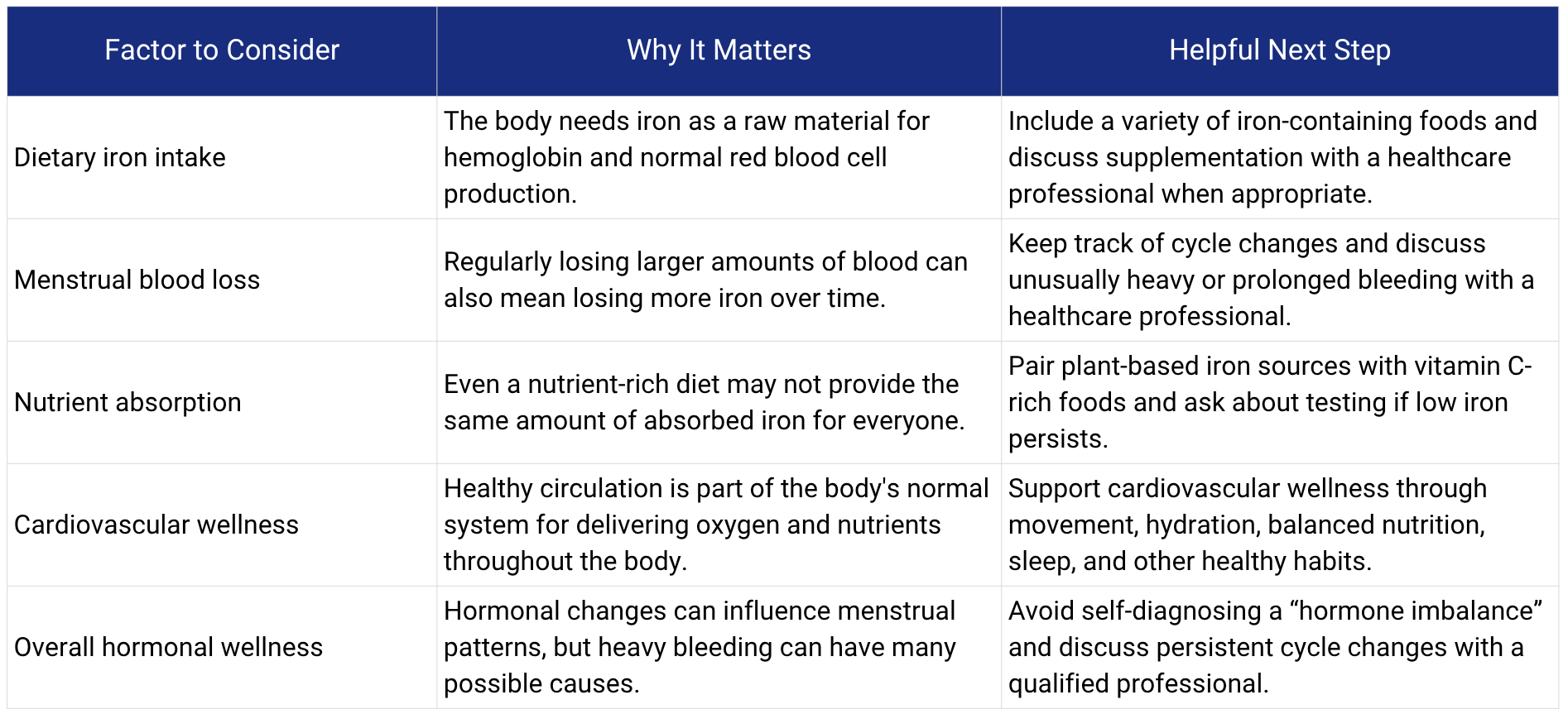
But intake is only one side of the equation. If the body is regularly losing iron, simply thinking about how much is going in can miss an important part of the story. That is why a more useful question may be: Are you getting too little iron, losing more iron than usual, or dealing with a combination of both?
This question becomes especially relevant for people who menstruate. Monthly blood loss is normal, but the amount of blood lost can vary considerably from person to person. When menstrual bleeding is consistently heavy, iron stores may gradually decline over time.
When Monthly Blood Loss Matters
Heavy menstrual bleeding deserves more attention than it often receives. Someone may become accustomed to long periods, frequent pad or tampon changes, or unusually heavy flow and assume that is simply what their cycle is supposed to be like. Yet ongoing blood loss can gradually use up the iron the body has stored.
Research has found that iron deficiency and anemia can affect quality of life among women experiencing heavy menstrual bleeding. In one study, women with heavy menstrual bleeding were assessed for anemia, iron deficiency, and quality-of-life measures, illustrating why iron status deserves consideration when menstrual blood loss is substantial (Peuranpää et al., 2014).
That does not mean every heavy cycle is caused by the same thing. Heavy menstrual bleeding can have multiple possible explanations, including uterine conditions, medications, bleeding disorders, reproductive changes, and other health factors. The popular phrase “estrogen dominance” is sometimes used in wellness conversations, but it should not be treated as a diagnosis or assumed to be the reason someone is experiencing heavy periods.
The practical takeaway is much simpler: if iron levels keep dropping, it is worth looking beyond iron intake alone. A healthcare professional can evaluate both iron status and possible sources of ongoing blood loss rather than simply guessing based on symptoms.
Iron, Oxygen, and Everyday Energy
Iron and oxygen are closely connected because hemoglobin depends on iron to carry oxygen through the bloodstream. This helps explain why insufficient iron can sometimes be associated with feeling unusually tired or having less stamina than usual.
It is important, however, not to confuse low iron with “poor circulation.” They are different issues. Someone can have healthy circulation and still be iron deficient, and someone can have adequate iron while also having cardiovascular concerns.
Still, cardiovascular wellness matters to the larger picture of how the body moves oxygen and nutrients. Regular physical activity, adequate hydration, a balanced diet, sufficient sleep, and avoiding smoking are all familiar habits that help support cardiovascular health. Foods naturally rich in dietary nitrates, including beets and leafy vegetables, can also be incorporated into a varied diet.
Thinking about iron in this broader way can be helpful because it shifts the focus away from chasing a single number and toward supporting the whole routine around it. Iron status, menstrual health, nutrition, physical activity, and cardiovascular wellness are connected pieces of everyday health, even though one supplement or habit should never be expected to fix all of them.
Building a More Complete Wellness Routine
If you are concerned about low iron, the most useful starting point is still appropriate testing. Ferritin, hemoglobin, and other laboratory measurements can provide information that symptoms alone cannot, and your healthcare professional can determine whether additional testing is appropriate.
From there, everyday habits can help build a stronger foundation. Meals that include adequate protein, fruits and vegetables, whole grains, and iron-containing foods provide nutritional support without turning every meal into a chemistry experiment. Combining plant-based iron sources with foods rich in vitamin C is another simple approach that can complement a balanced diet.
It can also be helpful to keep notes about menstrual patterns rather than relying on memory. If your periods suddenly become much heavier, last longer than usual, or are accompanied by symptoms such as significant weakness, dizziness, shortness of breath, or heart palpitations, those changes deserve professional evaluation.
For people interested in hormonal wellness, the same principle applies: think in terms of supporting normal body processes rather than trying to “correct” hormones without testing. Likewise, cardiovascular supplements should complement—not replace—movement, nutritious food, sleep, and appropriate medical care.
Supporting the Bigger Picture with 1 Body
Once the fundamentals are in place, targeted supplements can be considered as part of a broader wellness routine. They should not be viewed as treatments for iron deficiency, heavy menstrual bleeding, or hormone-related conditions, but they may offer support for related areas of everyday wellness.
1 Body DIM Complex is formulated with DIM (diindolylmethane), broccoli-derived ingredients, Calcium D-Glucarate, and BioPerine® to support healthy estrogen metabolism and overall hormonal wellness.† Rather than positioning DIM as a way to stop heavy periods or restore iron, it makes more sense to view it as nutritional support for normal estrogen metabolism as part of a balanced routine.
1 Body Beet Vital takes a different approach by focusing on cardiovascular wellness. Its beet-derived ingredients are formulated to support healthy circulation and cardiovascular health, while grape seed extract and complementary ingredients round out the formula.† It is not an iron supplement, but it can fit into a broader routine for people interested in supporting circulation, activity, and everyday vitality alongside sound nutrition and appropriate medical guidance.
Frequently Asked Questions
-
Yes, regularly losing larger amounts of menstrual blood can contribute to declining iron stores over time. If periods are consistently heavy or becoming heavier, discussing both the bleeding and your iron status with a healthcare professional is a good next step.
Look Beyond a Single Number
Iron is important, but the conversation around iron should not stop with “eat more spinach” or “take a supplement.” Understanding whether your body is getting enough iron, absorbing it appropriately, or regularly losing more than expected can lead to much more productive conversations about your health.
For people who menstruate, paying attention to cycle changes can be particularly valuable. At the same time, supporting normal hormone metabolism, cardiovascular wellness, balanced nutrition, movement, and sleep can help create a more complete foundation for everyday wellbeing without expecting any single product to do everything.
The goal is not to self-diagnose the reason behind fatigue or low iron. It is to become more informed about the questions worth asking, so you can work with your healthcare professional and make wellness choices with greater clarity.
Support Your Routine from More Than One Angle
1 Body DIM Complex and 1 Body Beet Vital offer two different forms of nutritional support for people building a broader wellness routine. DIM Complex focuses on healthy estrogen metabolism and hormonal wellness, while Beet Vital is formulated to support cardiovascular health, healthy circulation, and everyday vitality.†
-
Supports healthy estrogen metabolism† with DIM Complex
-
Supports overall hormonal wellness† with DIM, broccoli-derived ingredients, and Calcium D-Glucarate
-
Supports cardiovascular health† with Beet Vital
-
Supports healthy circulation† with a beet-based formula
-
Provides complementary antioxidant support†
-
Designed to complement healthy nutrition and lifestyle habits, rather than replace them
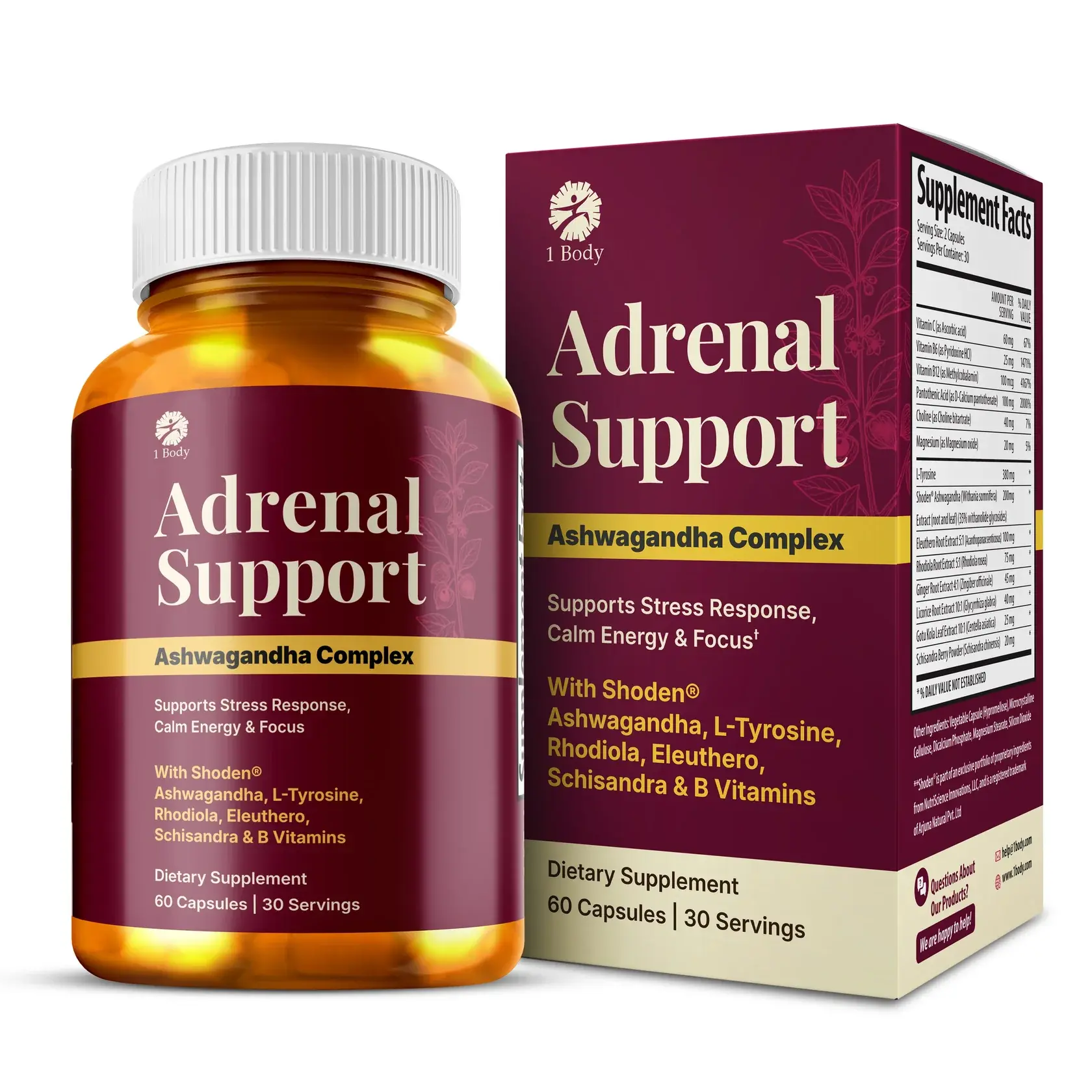
If you are already paying closer attention to your nutrition, cycle patterns, and cardiovascular wellness, these formulas can provide targeted support in areas that fit naturally into that bigger picture. Choose the option that best matches your personal wellness goals, and speak with a healthcare professional before adding supplements if you are pregnant, nursing, taking medication, managing a health condition, or concerned about low iron.
†These statements have not been evaluated by the Food and Drug Administration. These products are not intended to diagnose, treat, cure, or prevent any disease.
Reference
Peuranpää, P., Heliövaara-Peippo, S., Fraser, I., Paavonen, J., & Hurskainen, R. (2014). Effects of anemia and iron deficiency on quality of life in women with heavy menstrual bleeding. Acta Obstetricia et Gynecologica Scandinavica, 93(7), 654–660. https://doi.org/10.1111/aogs.12394
For all general inquiries, please contact us at help@1body.com
© Copyright. All rights reserved.