The Best Investment you'll ever Make is in Yourself


Supporting brain health as you age can begin with simple, repeatable habits. Regular movement, balanced nutrition, restorative sleep, social connection, mental activity, and thoughtful nutritional support may all contribute to memory, focus, mental energy, and overall cognitive wellness.
Growing older often brings a greater appreciation for the things that help us stay independent, connected, and engaged with everyday life. Being able to remember a name, follow a conversation, stay focused on a task, or learn something new may seem ordinary, but these abilities shape how confidently we move through the day.
The encouraging part is that supporting brain health does not always require a complicated plan. Small actions practiced consistently may be more realistic and sustainable than an extreme routine that is difficult to maintain. A morning walk, a nourishing meal, a good conversation, an earlier bedtime, or a few minutes spent learning something unfamiliar can all become part of a broader approach to healthy aging.
Memory support, mental clarity, focus, and cognitive wellness are closely connected to whole-body habits. The brain does not work in isolation, so the routines that support circulation, sleep, nutrition, emotional well-being, and physical health can also play a role in how mentally alert and engaged you feel.
Why Everyday Brain Health Habits Matter
It is normal to occasionally forget where you placed your keys, pause while searching for a word, or lose track of a thought when you are tired or distracted. Daily responsibilities, stress, poor sleep, medication changes, illness, and emotional strain can all influence concentration and memory.
What matters is paying attention to patterns rather than judging yourself over one forgetful moment. A small lapse during a busy week is different from a change that becomes frequent, noticeable, or disruptive to daily life. Understanding your usual level of focus and memory can help you recognize when something deserves more attention.
Healthy aging is not about expecting your brain to work exactly the same way at every stage of life. It is about creating conditions that support your ability to think, learn, connect, and adapt over time. This can include physical activity, a varied diet, restorative sleep, meaningful relationships, mental challenges, stress management, and appropriate medical care.
A consistent routine may also help you feel more in control. Rather than waiting until you feel mentally drained, you can build supportive habits into the structure of your day. These choices may not guarantee a specific result, but they can create a more balanced foundation for overall wellness.
Move Your Body to Support Your Mind
Physical activity is one of the most practical habits to include in a brain health routine. Movement supports cardiovascular health, and healthy circulation helps deliver oxygen and nutrients throughout the body, including the brain.
You do not need to become an endurance athlete to benefit from regular activity. Walking, swimming, gardening, cycling, dancing, light resistance training, and stretching can all help you stay active. The most useful form of exercise is usually one you enjoy enough to repeat.
A well-known randomized study by Erickson and colleagues examined older adults who participated in aerobic exercise. The researchers found that the exercise group experienced increases in hippocampal volume and improvements in spatial memory over the course of the study. These findings do not mean exercise prevents or treats cognitive decline, but they suggest that regular aerobic activity may be one helpful part of a healthy aging routine.
Consistency matters more than perfection. A twenty-minute walk most days may be easier to maintain than a demanding program that quickly becomes overwhelming. You can also divide activity into shorter periods throughout the day, especially when long exercise sessions do not fit your schedule.
Adding strength and balance activities can support mobility and confidence as well. Carrying groceries, standing up from a chair, using resistance bands, or practicing simple balance movements can help you remain physically capable, which may make it easier to stay socially and mentally active too.
Eat and Sleep With Mental Clarity in Mind
The brain depends on a steady supply of nutrients and energy. A balanced eating pattern that includes vegetables, fruits, whole grains, legumes, healthy fats, and appropriate sources of protein can support overall wellness without requiring a rigid or complicated diet.
Foods commonly included in brain-friendly eating patterns include leafy greens, berries, walnuts, seeds, beans, eggs, olive oil, and fatty fish. These foods contain a range of nutrients, including healthy fats, vitamins, minerals, fiber, and plant compounds. No single food can guarantee sharper memory, so variety and consistency are more valuable than searching for a miracle ingredient.
Hydration also matters. Even mild dehydration can leave some people feeling tired, distracted, or mentally sluggish. Keeping water available throughout the day may be a simple way to support both physical comfort and concentration.
Sleep is just as important as nutrition. During sleep, the body carries out processes involved in memory, learning, emotional regulation, and physical recovery. When sleep is repeatedly interrupted or shortened, it may become harder to focus, retain information, or feel mentally energized the next day.
A supportive evening routine can include dimming bright lights, reducing late-night screen time, keeping a consistent bedtime, and creating a calm sleeping environment. Caffeine timing is worth reviewing as well, since afternoon or evening caffeine may interfere with sleep for some people.
Persistent sleep problems should not be ignored. Snoring, repeated waking, ongoing insomnia, or significant daytime sleepiness may deserve a conversation with a healthcare professional, especially when they begin affecting memory, mood, or daily function.
Keep Learning, Connecting, and Challenging Yourself
The brain benefits from use, variety, and engagement. Reading, solving puzzles, learning a new language, taking up a musical instrument, trying a new recipe, or practicing a hobby can encourage continued mental activity.
The activity does not need to be difficult enough to create frustration. It should simply require attention, curiosity, or problem-solving. Even changing your usual routine, taking a different walking route, or learning how to use a new device can give your mind something fresh to process.
Social connection is equally valuable. Conversations require listening, memory, emotional awareness, and the ability to respond in real time. Staying connected with friends, family members, neighbors, faith communities, clubs, or volunteer groups can support both emotional and cognitive well-being.
Loneliness and isolation can make it harder to remain mentally engaged. A regular phone call, shared meal, walking group, or community class may offer more benefit than it appears to on the surface. These moments provide stimulation, purpose, and a sense of belonging.
Stress management also belongs in the conversation. Ongoing stress may make concentration and recall more difficult, particularly when it interferes with sleep. Gentle breathing, time outdoors, journaling, quiet reflection, or speaking with someone you trust can help create mental space.
A Simple Daily Routine for Cognitive Wellness
Brain health becomes easier to support when helpful habits are tied to normal parts of the day. Rather than trying to remember an entirely new routine, connect each habit to something you already do.
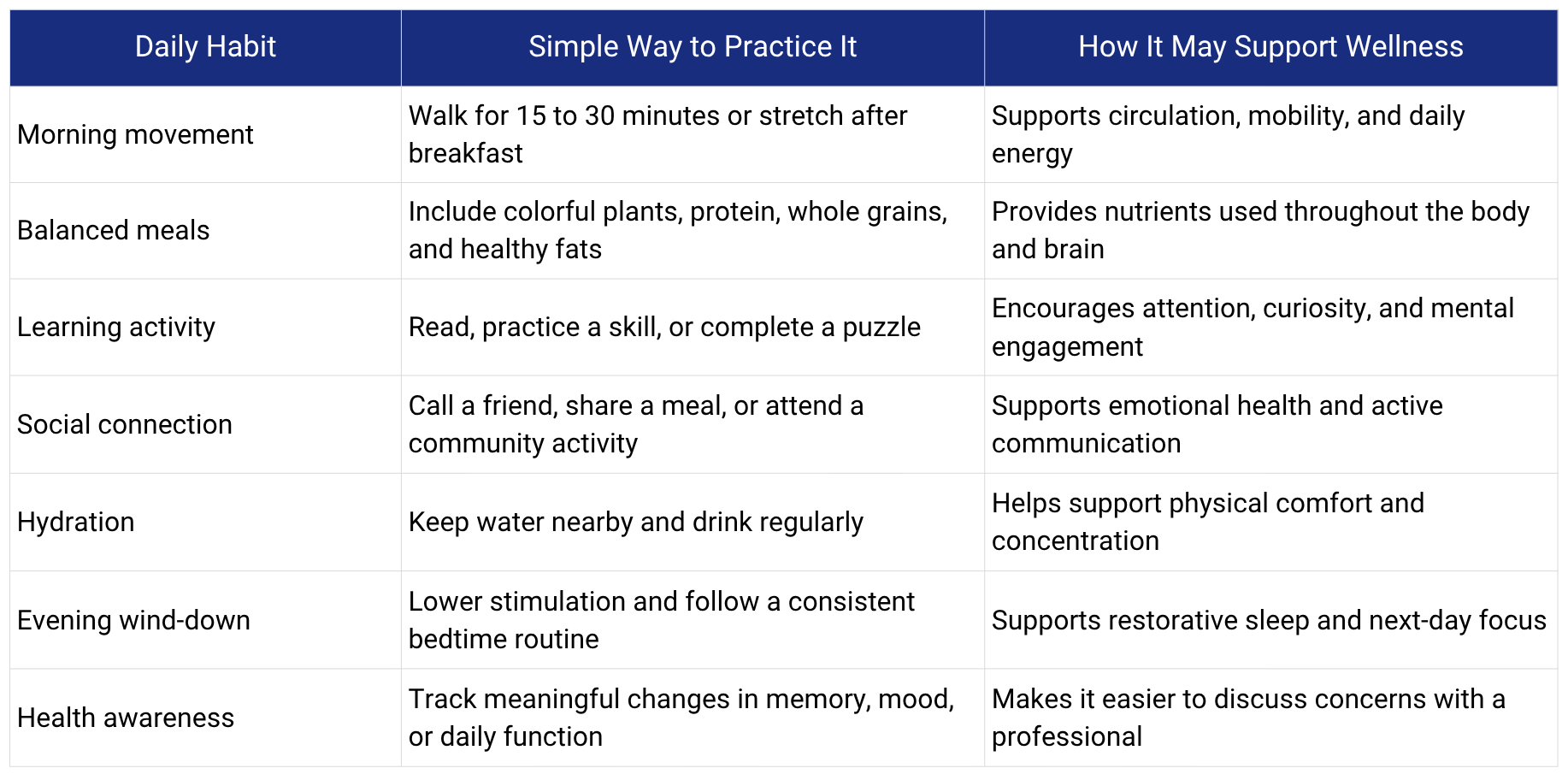
You do not need to complete every habit perfectly each day. Start with one or two areas that feel manageable, then build gradually. A routine that fits your life is more likely to last than one that feels like another demanding obligation.
It may also help to keep a simple weekly note about sleep, movement, mood, and concentration. Over time, you may notice that certain habits help you feel clearer and more energized, while others leave you mentally drained.
Adding Targeted Nutritional Support
After establishing daily habits such as balanced nutrition, movement, sleep, and mental engagement, some adults consider adding a dietary supplement to their routine. Supplements should be viewed as optional nutritional support rather than replacements for healthy habits, medical care, or treatment.
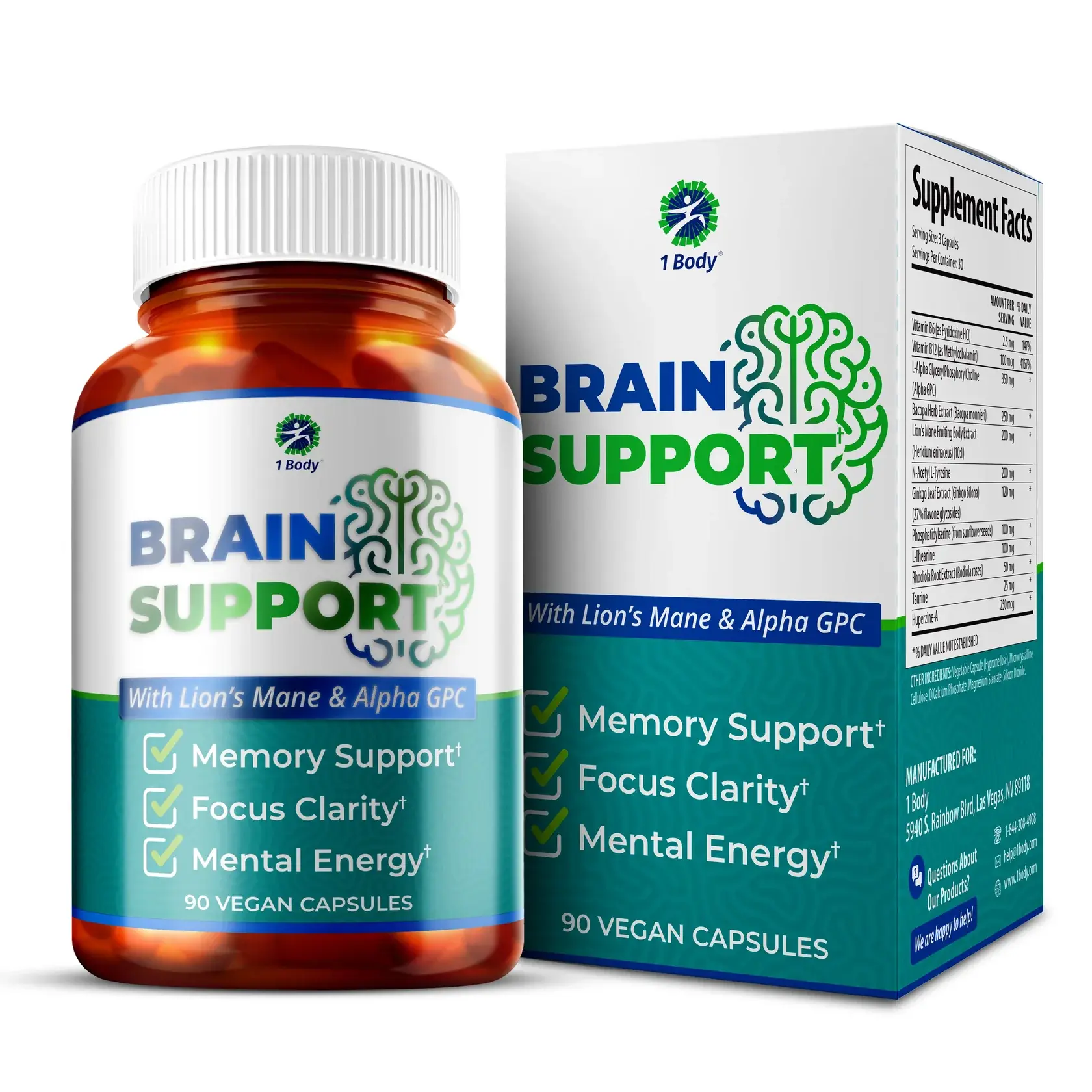
1 Body Brain Support is formulated with Lion’s Mane and Alpha GPC in a convenient vegan capsule format. According to the product packaging, the formula is designed to support memory, focus clarity, and mental energy as part of a broader cognitive wellness routine.
The bottle contains 90 vegan capsules, making it suitable for adults who prefer a simple capsule-based supplement. Its clearly named ingredients and straightforward positioning may appeal to people looking for an easy way to complement the habits they already practice.
Individual responses to supplements vary, and no supplement can guarantee improved memory or prevent age-related cognitive changes.
Anyone taking medications, managing a medical condition, preparing for surgery, or experiencing noticeable memory changes should speak with a qualified healthcare professional before starting a new supplement.
Frequently Asked Questions
-
A varied diet that includes leafy greens, berries, whole grains, healthy fats, beans, nuts, seeds, and appropriate protein sources can support overall wellness. No individual food guarantees better memory, so consistency and variety are more important than relying on one ingredient.
Small Choices Can Add Up Over Time
Keeping your brain active as you age does not require a perfect routine. It begins with ordinary choices made often enough to become familiar: moving your body, eating nourishing foods, sleeping well, staying curious, connecting with others, and paying attention to meaningful changes.
These habits work best as part of a complete wellness approach rather than isolated solutions. A walk supports more than circulation, a conversation offers more than companionship, and a good night’s sleep does more than reduce tiredness. Together, these choices create a daily environment that supports both body and mind.
The goal is not to avoid every moment of forgetfulness or mental fatigue. It is to give yourself practical tools that support clarity, engagement, and confidence over time. When additional nutritional support fits your needs, a thoughtfully formulated supplement may complement the healthy routine you have already built.
1 Body Brain Support
1 Body Brain Support combines Lion’s Mane and Alpha GPC in a convenient formula created for adults who want to support memory, focus clarity, and mental energy as part of their daily wellness routine. With 90 vegan capsules, it offers a simple way to include targeted nutritional support alongside sleep, movement, balanced eating, and continued learning.
Product features and wellness-supporting qualities include:
-
Formulated with Lion’s Mane
-
Includes Alpha GPC
-
Designed to support memory
-
Formulated to support focus clarity
-
Intended to support mental energy
-
Convenient capsule format
-
90 vegan capsules per bottle
-
Easy to include in an established daily routine
-
Designed to complement, not replace, healthy lifestyle habits
1 Body Brain Support may be a thoughtful choice for adults seeking a straightforward supplement with recognizable ingredients and a clear cognitive wellness focus. By combining nature-inspired ingredients with a practical daily format, it reflects 1 Body’s commitment to helping people make informed, supportive choices for healthy aging.
Reference
Erickson, K. I., Voss, M. W., Prakash, R. S., Basak, C., Szabo, A., Chaddock, L., Kim, J. S., Heo, S., Alves, H., White, S. M., Wojcicki, T. R., Mailey, E., Vieira, V. J., Martin, S. A., Pence, B. D., Woods, J. A., McAuley, E., & Kramer, A. F. (2011). Exercise training increases size of hippocampus and improves memory. Proceedings of the National Academy of Sciences, 108(7), 3017–3022. https://doi.org/10.1073/pnas.1015950108
For all general inquiries, please contact us at help@1body.com
© Copyright. All rights reserved.