The Best Investment you'll ever Make is in Yourself


Winter can affect energy through a mix of colder temperatures, shorter daylight hours, changing sleep patterns, reduced activity, seasonal illness, and nutritional habits. Because the thyroid plays an important role in metabolism and temperature regulation, supporting overall thyroid wellness with balanced nutrition, consistent routines, and appropriate professional care can be especially relevant during colder months.
Winter has a way of making ordinary tiredness feel heavier. The alarm goes off while it is still dark, the air feels colder, activity often decreases, and the cold and flu season adds another layer of disruption through missed sleep, reduced appetite, travel, or days spent recovering at home. If you already tend to notice changes in energy, temperature comfort, or focus, the season may make those patterns feel more obvious.
It is tempting to describe this as the thyroid “working overtime,” but that phrase is better understood as a simple metaphor rather than a diagnosis. Your thyroid helps regulate metabolism and contributes to processes involved in heat production, but winter fatigue is rarely caused by the thyroid alone. Sleep, nutrition, stress, illness, activity levels, medications, iron status, vitamin levels, and many other factors can shape how you feel.
That is why a thoughtful winter wellness routine should support the whole body rather than chasing one explanation. A warm breakfast, morning light, regular movement, adequate hydration, enough sleep, and a nutrient-dense diet can all contribute to steadier energy. For people who are also interested in thyroid wellness, paying attention to key nutrients such as iodine, selenium, zinc, and vitamin B12 can add another layer of support.
Why Winter Can Feel Harder on Your Energy
Several seasonal changes happen at the same time once cold weather arrives. Daylight hours become shorter, mornings may begin in darkness, outdoor activity can drop, and routines often become busier because of work, school, holidays, travel, and family obligations.
Less movement alone can affect how energized you feel. A walk that happened naturally in the summer may disappear when it gets dark before dinner. Colder weather may also make it easier to spend long stretches sitting indoors, which can make afternoons feel slower.
Sleep patterns often change as well. Earlier darkness can make you feel sleepy sooner, but late-night screen use, holiday events, work deadlines, or stress may still keep you awake. That combination can create a mismatch between when your body feels tired and when you actually go to sleep.
Cold and flu season adds another complication. When you are fighting an infection or recovering from one, fatigue may come from the immune response itself, reduced food intake, poor sleep, dehydration, or time spent inactive. It is important not to assume that every winter energy dip is thyroid-related.
The more useful question is whether your tiredness improves when sleep, hydration, food, and routine improve. If it does, lifestyle changes may be doing most of the work. If fatigue persists for weeks, becomes more intense, or appears alongside other changes, it may be worth discussing with a healthcare professional.
What the Thyroid Actually Does in Cold Weather
The thyroid is a small gland located at the front of the neck, but its hormones influence many processes throughout the body. Thyroid hormones help regulate metabolic activity, which affects how the body uses energy and contributes to normal temperature regulation.
Cold exposure also activates thermogenesis, the process by which the body generates heat. This involves multiple systems, including the nervous system, hormones, muscle activity, and brown adipose tissue.
A human study published in The New England Journal of Medicine found that mild cold exposure activated brown adipose tissue in healthy men and increased energy expenditure. The study did not prove that winter makes the thyroid work “harder” in every person, nor did it show that thyroid supplements improve cold tolerance, but it demonstrates that cold exposure can measurably increase the body’s thermogenic activity.
That distinction is important because cold sensitivity can have many possible explanations. Body composition, circulation, anemia, calorie intake, medication use, age, thyroid function, and individual physiology can all influence how cold a person feels.
Thyroid conditions may sometimes be associated with changes in temperature tolerance, but symptoms alone cannot confirm a thyroid disorder. Persistent cold sensitivity along with fatigue, weight changes, constipation, changes in hair or skin, or other symptoms should be evaluated properly rather than self-treated.
Why Seasonal Illness Can Make Fatigue Feel More Noticeable
When cold and flu season arrives, people often describe feeling “drained” even after the worst symptoms have passed. That fatigue is not necessarily caused by nutrient competition between the immune system and thyroid, so it is safer not to frame the body as though two systems are fighting over a limited supply.
A more accurate way to think about it is that both the immune system and normal thyroid metabolism depend on adequate overall nutrition. If appetite drops during illness, meals become inconsistent, or a person already has a nutritional deficiency, the body may have fewer resources available for normal daily processes.
Illness can also interfere with sleep. Congestion, coughing, fever, aches, and medication schedules may all reduce sleep quality. Even several nights of disrupted rest can make concentration, mood, and physical stamina feel very different.
Hydration can become inconsistent too. Fever, reduced appetite, dry indoor air, and simply forgetting to drink while resting can make recovery feel harder.
This is why seasonal illness support should begin with basics: fluids, appropriate nutrition, rest, and medical guidance when needed. A dietary supplement may complement those foundations, but it should not be presented as a way to prevent or treat colds, flu, thyroid disease, or post-viral fatigue.
The Nutrients That Support Thyroid and Everyday Wellness
Certain nutrients are involved in normal thyroid-related processes, while others support broader areas such as immune function, energy metabolism, and nervous system health. The important thing is to avoid the idea that more is always better.
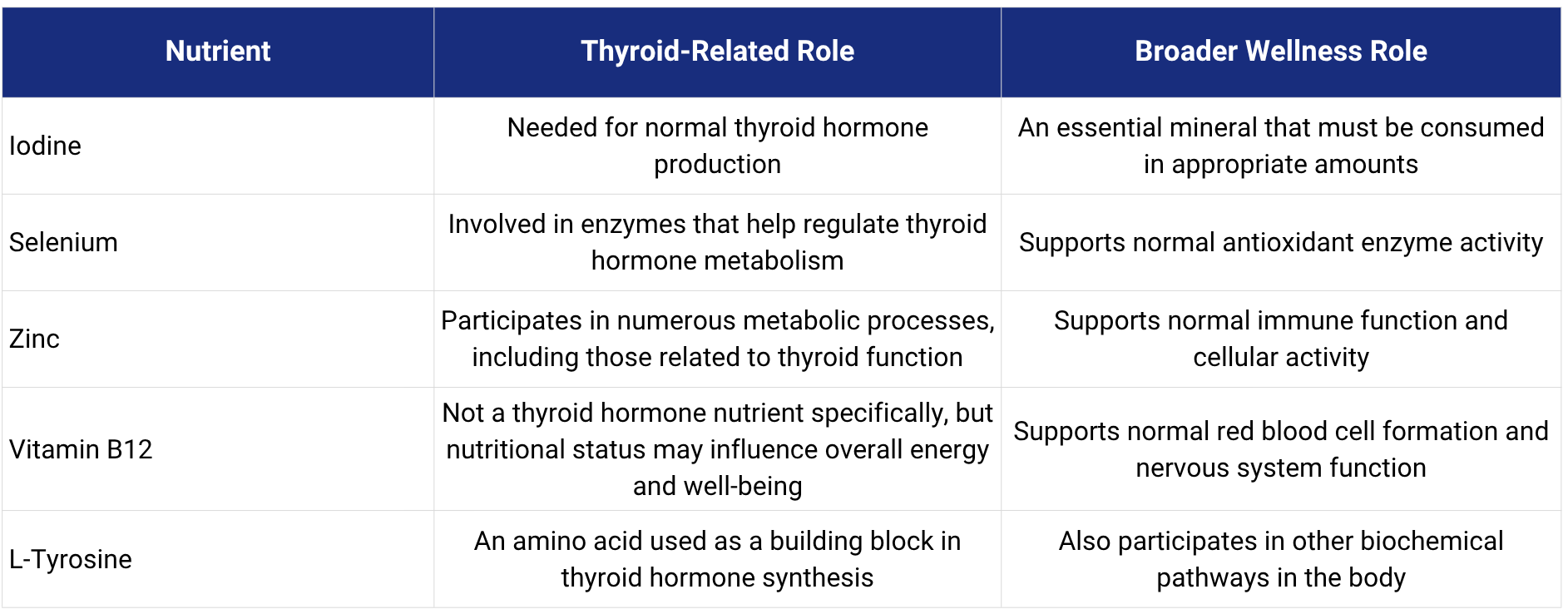
Iodine deserves particular caution. It is essential, but excessive intake can be inappropriate for some people, especially those with certain thyroid conditions. Taking a high-dose iodine product simply because you feel tired or cold is not a good substitute for proper evaluation.
Selenium follows a similar principle. The body needs only a relatively small amount, and excessive supplementation can cause problems. Zinc intake should also remain within appropriate limits, particularly when used for long periods.
Vitamin B12 is often associated with energy because it is necessary for normal red blood cell and nervous system function. However, taking extra B12 does not guarantee an energy boost if you already have adequate levels.
The broader lesson is simple: nutrient support should be targeted and thoughtful, not excessive.
Build a Winter Routine That Protects Your Energy
One of the most useful ways to support winter energy is to remove some of the friction created by the season. Instead of trying to perform exactly as you did during longer summer days, adjust your routine to match the environment.
Start with morning light. Open your blinds, turn on bright indoor lighting, or get outside for a few minutes when practical. This can help make the beginning of the day feel more defined.
Next, build meals around steady nourishment. A warm breakfast with protein and fiber, such as eggs with whole-grain toast or oatmeal with nuts and yogurt, can feel more satisfying than relying on coffee alone.
Movement matters even when the weather makes outdoor exercise less appealing. A short indoor strength session, stretching, or a midday walk can help keep activity consistent without requiring an elaborate winter fitness plan.
Hydration is equally important. Cooler temperatures often reduce the sensation of thirst, so keeping water or unsweetened tea nearby can help prevent fluids from becoming an afterthought.
Sleep may require more protection during winter too. Try keeping wake and bedtime reasonably consistent and create a clear stopping point for work or screens before bed.
Most importantly, notice patterns rather than individual days. One tired afternoon after poor sleep is very different from several weeks of exhaustion that does not improve.
When Thyroid-Focused Nutritional Support May Fit
Once sleep, nutrition, hydration, movement, and appropriate medical care are addressed, some adults consider a thyroid-focused dietary supplement as part of their everyday wellness routine.
1 Body Thyroid Support is formulated with nutrients including iodine, vitamin B12, zinc, selenium, L-tyrosine, and botanical ingredients. The formula is designed to complement normal thyroid and metabolic wellness rather than diagnose, treat, or correct a thyroid disorder.†
This makes it a natural option for adults who want a clearly labeled supplement that fits alongside balanced nutrition and an established health routine. It should not replace thyroid testing, prescribed medication, or professional evaluation for ongoing fatigue, temperature sensitivity, unexplained weight changes, or other persistent symptoms.
Anyone taking levothyroxine or another thyroid medication, managing autoimmune thyroid disease, preparing for surgery, or who is pregnant or breastfeeding should speak with a healthcare professional before starting a thyroid-support supplement. Timing may also matter because some nutrients can interfere with medication absorption.
Frequently Asked Questions
-
Temperature sensitivity can vary because of body composition, circulation, age, calorie intake, medications, anemia, thyroid function, and individual physiology. Persistent or unusual cold intolerance is worth discussing with a healthcare professional rather than assuming your thyroid is the cause.
Winter Wellness Is About Support, Not Pushing Through
Cold weather can make everyday life feel more demanding, but you do not have to treat every tired day as something to overcome with more caffeine or more willpower. Seasonal energy is influenced by sleep, light, movement, nutrition, illness, stress, and individual health, so a broader routine is often more useful than focusing on one system.
Pay attention to how you feel over time. If you become more energized after a few nights of better sleep, regular meals, more daylight, and consistent movement, those habits may be exactly what your routine needs.
If fatigue continues despite those changes, let that be a reason to investigate rather than guess. Thyroid conditions, anemia, sleep disorders, medication effects, nutrient deficiencies, and other concerns deserve proper evaluation.
Winter is also a good time to become more intentional about nutrition. Nutrients such as iodine, selenium, zinc, vitamin B12, and amino acids all play roles in normal body processes, but they are most useful when consumed in appropriate amounts.
A dietary supplement can complement those foundations, but it works best as part of a well-rounded approach rather than as a substitute for food, sleep, medical care, or prescribed treatment.
Support Your Seasonal Routine With 1 Body Thyroid Support
1 Body Thyroid Support brings together iodine, vitamin B12, zinc, selenium, L-tyrosine, and selected botanical ingredients in a convenient daily formula. It is designed to complement thyroid and metabolic wellness while fitting naturally into a broader winter routine built around balanced meals, consistent sleep, movement, hydration, and professional healthcare when needed.†
Formula and wellness-supporting features include:
-
Provides iodine for normal thyroid hormone production†
-
Includes selenium for normal thyroid-related enzyme activity†
-
Includes zinc for everyday nutritional support†
-
Provides vitamin B12 for normal nervous system and red blood cell function†
-
Includes L-tyrosine
-
Features selected botanical ingredients
-
Designed to complement normal thyroid wellness†
-
Supports everyday metabolic nutrition†
-
Convenient for inclusion in a consistent daily routine
-
Best used alongside balanced nutrition and appropriate medical care
-
Clearly positioned as nutritional support rather than treatment for thyroid disease
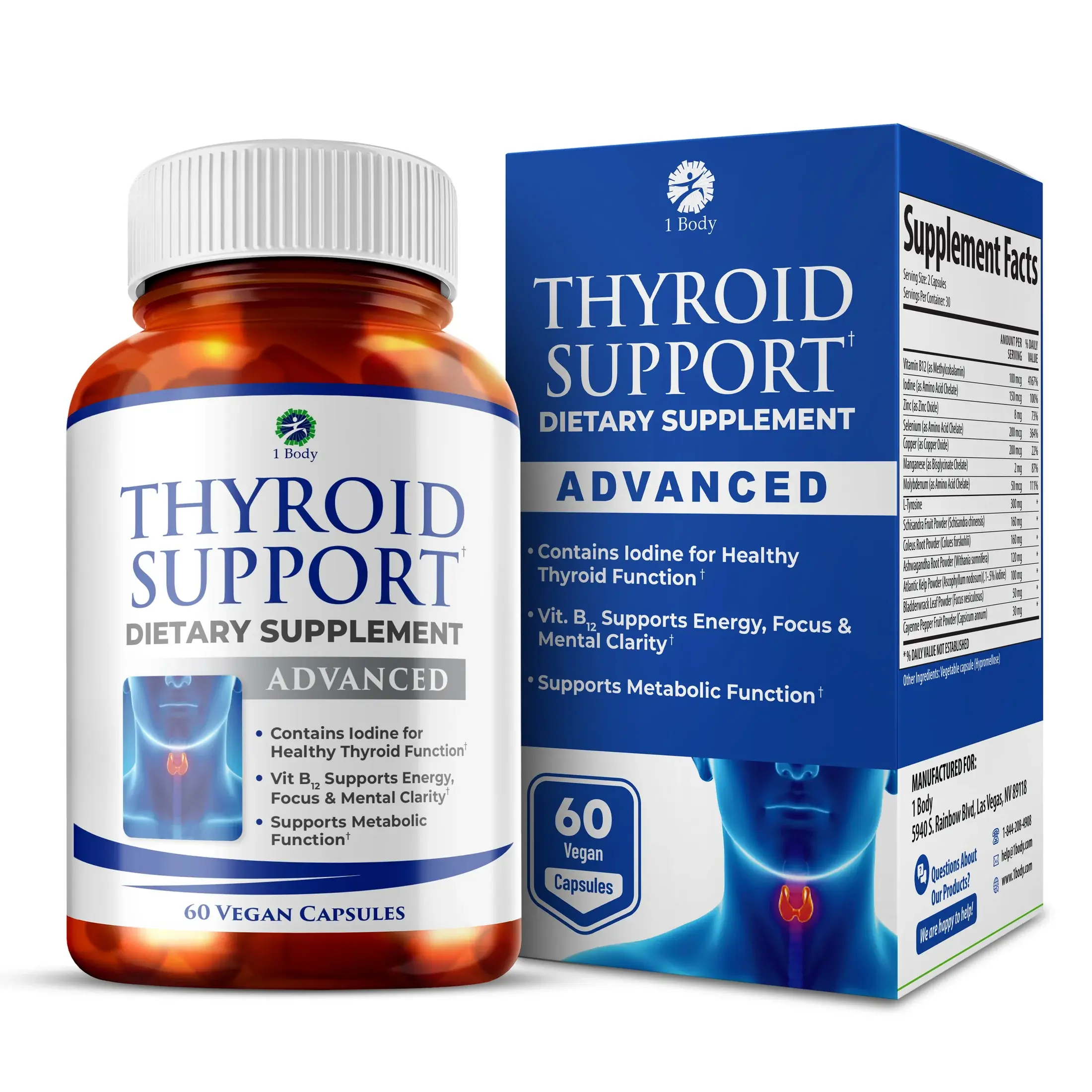
For adults looking to support their seasonal wellness routine with targeted thyroid-focused nutrition, 1 Body Thyroid Support offers a convenient, thoughtfully formulated option. Its combination of essential nutrients and nature-inspired ingredients reflects 1 Body’s commitment to “Nature’s Gifts, Refined by Science,” while keeping expectations realistic and communication transparent.
†These statements have not been evaluated by the Food and Drug Administration. This product is not intended to diagnose, treat, cure, or prevent any disease.
Reference
van Marken Lichtenbelt, W. D., Vanhommerig, J. W., Smulders, N. M., Drossaerts, J. M. A. F. L., Kemerink, G. J., Bouvy, N. D., Schrauwen, P., & Teule, G. J. J. (2009). Cold-activated brown adipose tissue in healthy men. New England Journal of Medicine, 360(15), 1500–1508. https://doi.org/10.1056/NEJMoa0808718
For all general inquiries, please contact us at help@1body.com
© Copyright. All rights reserved.