The Best Investment you'll ever Make is in Yourself


Burnout is not just mental exhaustion—it is a physiological state where ongoing stress may influence nutrient levels, energy production, and nervous system balance. Over time, this can contribute to fatigue, brain fog, and inconsistent energy. Recovery often involves three key areas: supporting circadian rhythm, maintaining balanced nutrition, and replenishing essential micronutrients. 1 Body Vitamin B Complex is designed to complement this approach by helping support daily nutrient intake as part of a consistent wellness routine.
Why Burnout Feels So Physical
Burnout is often described as emotional exhaustion, but many of its most noticeable effects are physical. This is because stress influences multiple systems in the body, including hormones, metabolism, and the nervous system.
The “Stress Tax” on Your Body
When the body is under ongoing stress, it prioritizes survival-related processes. This shift may increase the demand for certain nutrients involved in energy production and stress response.
Over time, this increased demand can create what is often referred to as a “stress tax.” This does not necessarily mean nutrients are completely depleted, but rather that the body may require more support to maintain balance.
This is one reason why fatigue during periods of stress often feels deeper than simple tiredness. It reflects the body working harder behind the scenes to maintain equilibrium.
Why Energy Feels Unstable
Many people experiencing burnout describe feeling both tired and restless at the same time. This “wired but tired” sensation is often associated with how the body manages stress signals and energy production.
When daily rhythms become disrupted, energy may feel inconsistent. Some moments feel alert, while others feel drained, making it difficult to maintain focus and productivity.
Supporting the systems that regulate energy can help create a more stable daily rhythm.
The Science Behind Burnout and Nutrient Depletion
Stress influences how the body uses and prioritizes nutrients. Certain vitamins and minerals play roles in energy metabolism, nervous system signaling, and stress response pathways.
For example:
-
B vitamins are involved in energy production and neurotransmitter activity
-
Magnesium plays a role in muscle relaxation and nervous system balance
-
Vitamin C is involved in cellular processes related to stress response
Research continues to explore how stress interacts with nutritional status, particularly nutrients involved in energy metabolism and nervous system function.
A review published in Nutrients highlights the role of B vitamins in brain function, energy production, and cognitive performance, noting their involvement in pathways related to stress and mental fatigue.
Citation: Kennedy DO. B Vitamins and the Brain: Mechanisms, Dose and Efficacy—A Review. Nutrients. 2016.
Your 3-Step Recovery Plan
Recovering from burnout is not about a single quick fix. It involves supporting the body across multiple systems that influence energy and resilience.
Step 1: Reset Your Circadian Rhythm
Your circadian rhythm acts as the body’s internal clock, regulating sleep, hormone release, and energy levels.
Exposure to natural light in the morning helps signal to the body that it is time to be alert. This can support the natural balance between cortisol (associated with alertness) and melatonin (associated with rest).
Spending even 10–15 minutes in natural light early in the day can help reinforce this rhythm. Over time, consistent light exposure may support more stable energy patterns.
Step 2: Stabilize Your Energy Through Nutrition
Energy fluctuations are often influenced by how the body processes food. Meals that combine protein, healthy fats, and complex carbohydrates help provide a more gradual release of energy.
Spacing meals consistently throughout the day can help avoid large fluctuations in blood sugar levels, which are sometimes associated with feelings of fatigue or restlessness.
Rather than relying on quick energy sources, focusing on balanced meals supports more consistent energy throughout the day.
Step 3: Refill Your Micronutrient Reserves
Because stress may increase the body’s demand for certain nutrients, consistent intake becomes important.
This can be supported through a combination of:
-
Whole foods rich in vitamins and minerals
-
Consistent hydration
-
Targeted supplementation when needed
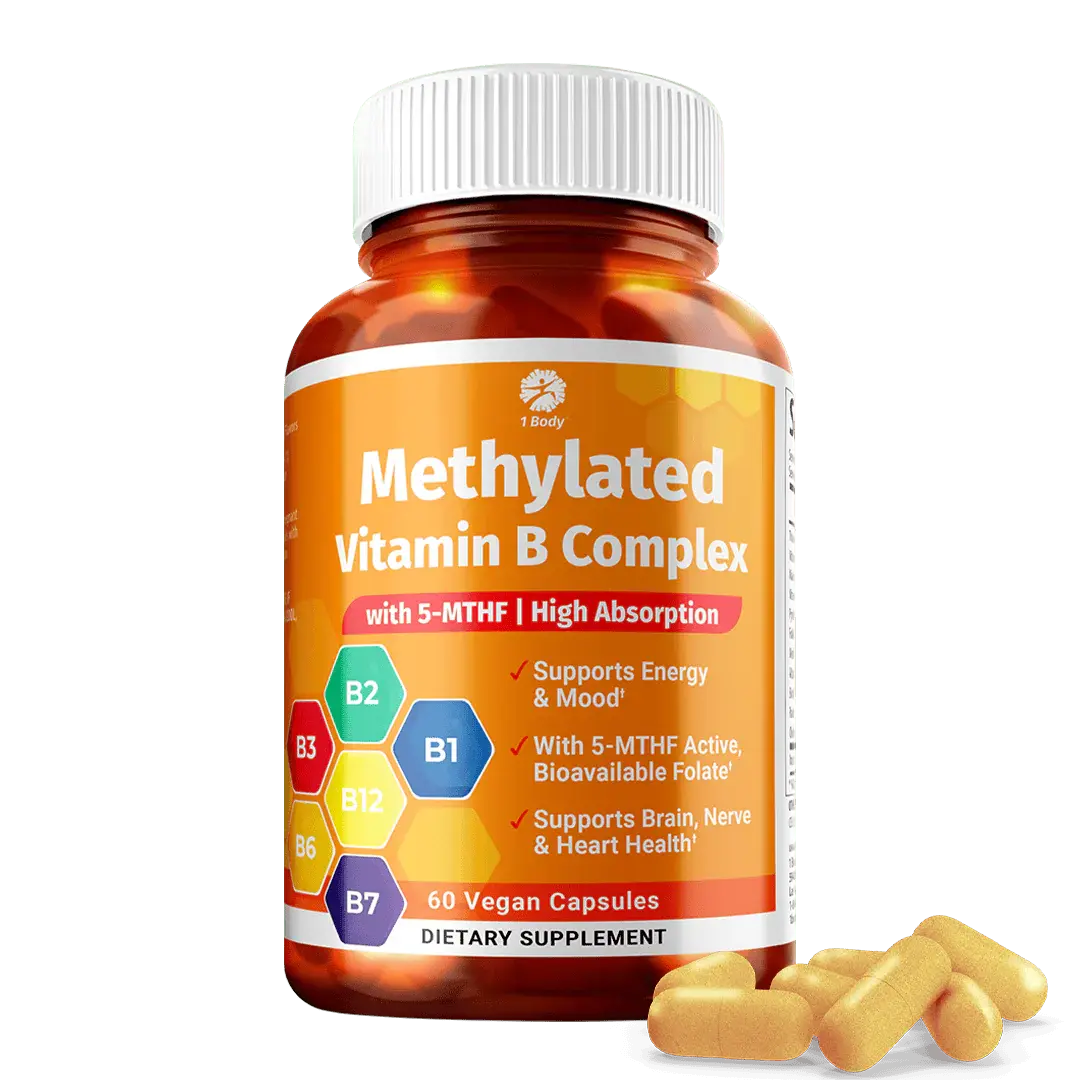
1 Body Vitamin B Complex is formulated to provide a combination of nutrients that support energy metabolism and daily wellness. It is designed to complement a balanced lifestyle rather than replace it.
Burnout Recovery Matrix
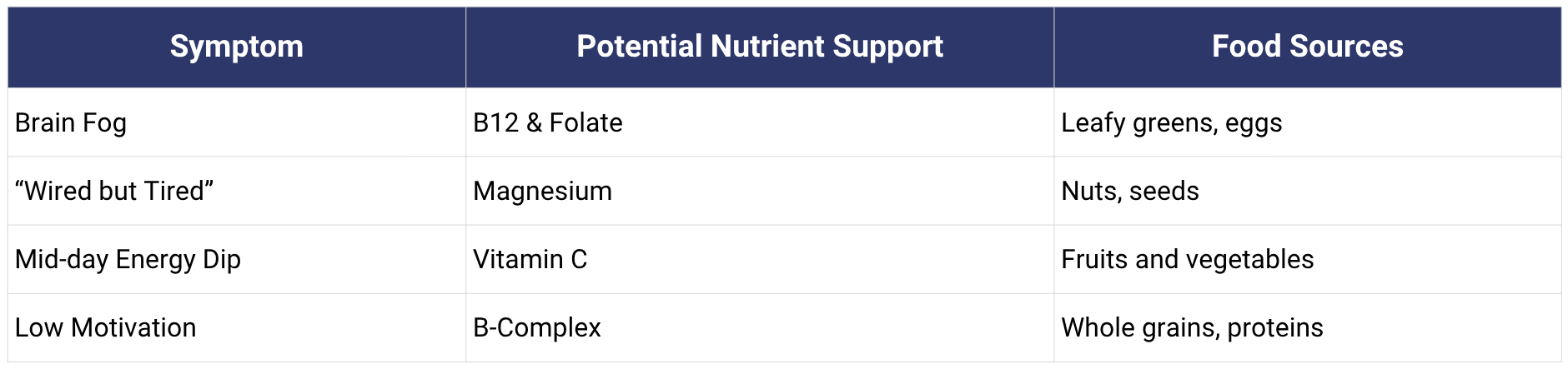
This matrix provides a simple way to connect common experiences with nutritional considerations. It is not diagnostic, but it can help guide awareness.
Frequently Asked Questions
-
Recovery timelines vary. Many people begin noticing shifts in energy and focus within one to two weeks when consistent lifestyle and nutrition habits are in place.
Rebuilding Energy After Burnout
Burnout is often the result of multiple factors rather than a single cause. Addressing it requires a balanced approach that supports the body’s natural systems.
By focusing on circadian rhythm, nutrition, and consistent habits, it becomes possible to gradually restore a sense of balance and steady energy.
Why Choose 1 Body Vitamin B Complex
When rebuilding energy, consistency matters. 1 Body Vitamin B Complex is designed to complement a balanced routine by helping support daily nutrient intake, particularly nutrients involved in energy metabolism and cognitive function.
Key features include:
-
Supports cellular energy production with essential B vitamins
-
Includes methylated forms like 5-MTHF for enhanced bioavailability
-
Helps support focus, mood, and mental clarity
-
Convenient format for consistent daily use
-
Works alongside nutrition and lifestyle habits
Rather than guessing which nutrients may be missing, a structured approach can help support the body’s natural energy processes.
1 Body Vitamin B Complex fits into this approach by helping provide bioavailable nutritional support as part of a consistent wellness routine.
For all general inquiries, please contact us at help@1body.com
© Copyright. All rights reserved.