The Best Investment you'll ever Make is in Yourself


The “September blues” describe the temporary dip in mood, energy, or motivation some people notice as summer ends and daily routines begin to change. Morning light, regular sleep, nourishing meals, movement, social connection, and thoughtful nutritional support can help create a steadier transition into fall.
The final weeks of summer can feel surprisingly emotional. Vacations end, school and work routines become more structured, evenings grow darker, and the relaxed pace of warm-weather plans begins to fade. Even people who enjoy autumn may notice that their energy is lower, their appetite feels different, or their motivation is not quite as dependable as it was a few weeks earlier.
This experience is often called the “September blues.” It is not a formal medical diagnosis, but it is a useful way to describe the mixture of seasonal fatigue, changing sleep patterns, reduced daylight, post-summer letdown, and routine-related stress that can arrive around the beginning of fall. For some people, it may feel like mild sluggishness or nostalgia. For others, it can look like irritability, low motivation, stronger cravings, or difficulty getting back into a dependable rhythm.
Seasonal mood support does not need to begin with an extreme wellness plan. Small adjustments to light exposure, sleep timing, meals, movement, hydration, and social connection may help the body and mind adapt more comfortably. The goal is not to force yourself to feel cheerful every day, but to build a routine that gives you more steadiness as the season changes.
What Are the September Blues?
The September blues are best understood as a transitional experience rather than a single condition. Summer often brings longer daylight hours, outdoor activities, travel, flexible schedules, and more opportunities for spontaneous connection. When September arrives, many of those patterns change at once.
You may begin waking before sunrise, spending more time indoors, or returning to a fuller work and family calendar. Children go back to school, deadlines pick up, commutes change, and weekends may become less open. Even positive transitions can demand additional emotional and mental energy.
There can also be a sense of loss. Summer is strongly associated with freedom, warmth, and enjoyment, so its ending may bring nostalgia or disappointment. If you had plans that never happened, the season’s close can make those missed experiences feel more noticeable.
Temporary changes in mood do not automatically mean that something is wrong. It is normal to need time to adapt to different light levels, temperatures, and responsibilities. However, paying attention to your patterns can help you distinguish an ordinary seasonal adjustment from a more persistent concern that deserves professional support.
Why the End of Summer Can Affect Mood and Energy
Light is one of the strongest environmental signals used by the body’s internal clock. As daylight hours shorten, the timing of sleepiness, morning alertness, appetite, and energy may begin to shift. Some people notice that they want to stay in bed longer, feel less focused early in the day, or become tired earlier in the evening.
A randomized controlled trial known as the Can-SAD study evaluated light therapy and fluoxetine among adults with diagnosed winter seasonal affective disorder. Both approaches were associated with improvement during the study, although the research involved a clinical population and should not be interpreted as proof that ordinary daylight exposure treats every form of low mood. It does, however, reinforce the importance of light-related routines in conversations about seasonal well-being.
Changes in daylight are only one part of the picture. The transition into fall often affects activity levels too. Cooler mornings and earlier sunsets may reduce outdoor movement, while a more structured schedule leaves less time for exercise, rest, or unplanned social contact.
Appetite may change as well. Some people begin craving heavier or sweeter foods, especially when sleep is inconsistent or daily stress increases. Comfort foods can absolutely have a place in a balanced routine, but relying on them while skipping regular meals may contribute to uneven energy.
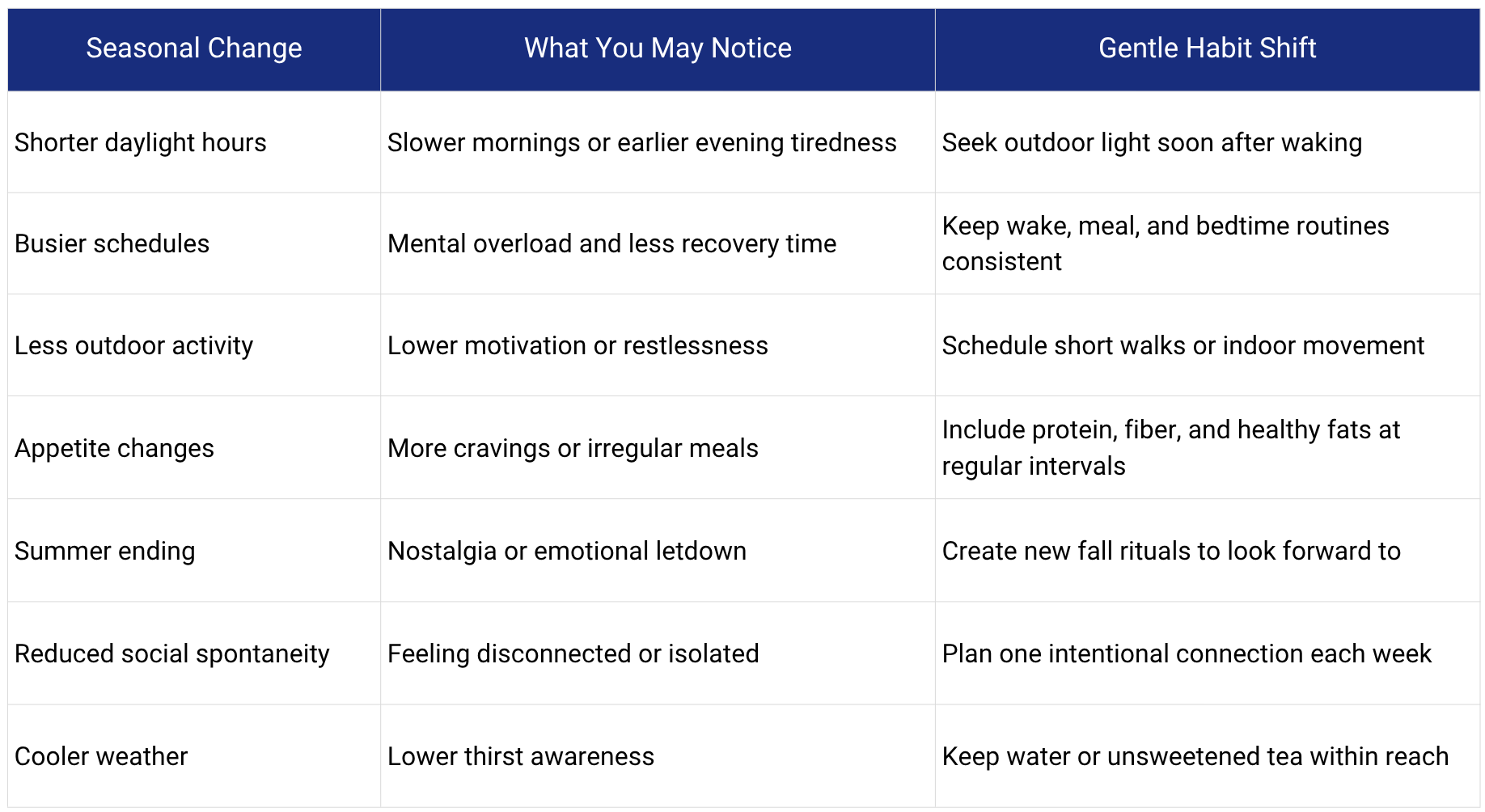
The table below offers a simple way to connect common September changes with practical daily adjustments:
Start With Morning Light and a Consistent Daily Rhythm
A dependable morning routine can make seasonal adjustment feel less disorienting. Begin by opening the curtains or blinds soon after waking, even on cloudy days. Outdoor daylight is generally much brighter than typical indoor lighting, so a brief walk, a few minutes on the porch, or time near a bright window may help create a clearer start to the day.
You do not need to turn this into a complicated ritual. Pairing morning light with another habit, such as drinking water, stretching, or preparing breakfast, can make it easier to repeat. Consistency matters more than creating a picture-perfect routine.
A regular wake time may be helpful too. Sleeping much later on weekends can feel restorative in the moment, but large shifts in sleep timing may make Monday mornings more difficult. Keeping your wake time within a reasonable range can support a steadier rhythm throughout the week.
Evening routines deserve the same attention. As it gets darker earlier, it may be tempting to begin scrolling or watching television for long periods after dinner. Screens and stimulating content can keep the mind active when the body is trying to settle down.
Try creating a clear transition into rest. Dim the lights, prepare what you need for the next morning, take a warm shower, read, stretch, or listen to calming music. A simple and repeated sequence can help the end of the day feel less abrupt.
Support Steady Energy With Food, Movement, and Hydration
Seasonal wellness becomes easier when basic needs are met consistently. Long gaps between meals, too much caffeine, inadequate hydration, and very little movement can make ordinary seasonal fatigue feel heavier.
Begin with regular meals that include protein, fiber-rich carbohydrates, healthy fats, and fruits or vegetables. A bowl of oatmeal with nuts, eggs with whole-grain toast, soup with beans, yogurt with berries, or a simple grain bowl can provide more stable nourishment than trying to get through the day on coffee and snacks.
Warm foods often become more appealing in early fall, and that can be used to your advantage. Soups, roasted vegetables, baked squash, lentils, stews, and herbal teas can make seasonal eating feel comforting without becoming overly complicated.
Movement also supports the transition. You do not need to continue the exact outdoor routine you followed in summer. Short walks, light resistance training, yoga, indoor cycling, dancing, or stretching can all help maintain momentum when the weather or schedule changes.
The most useful movement plan is often the one with a low barrier to entry. A ten-minute walk after lunch may be more sustainable than promising yourself a long workout that rarely fits the day. On days when energy is higher, you can always do more.
Hydration should not be overlooked simply because the weather is cooler. Lower temperatures may make thirst less noticeable, while indoor heating can contribute to dryness. Keep water or unsweetened tea nearby and drink regularly rather than waiting until you feel depleted.
Make Space for Connection and Enjoyable Fall Rituals
The end of summer can create an emotional gap if many of your favorite activities are tied to warm weather. One way to ease that transition is to replace a disappearing routine with something seasonal that feels genuinely enjoyable.
This could be a weekly walk in cooler weather, a new recipe, a library visit, a fall gardening project, a craft, or a standing coffee date. The activity does not need to be impressive. Its purpose is to give the new season an identity of its own rather than treating it only as the end of summer.
Connection is especially important when schedules become more structured. Summer may provide casual opportunities to see friends or neighbors, while fall often requires more intentional planning. A regular phone call, shared meal, walking group, or community activity can help maintain a sense of belonging.
It may also help to lower expectations. You do not need to fill every weekend or transform September into a month of constant productivity. Leaving some open space can give you time to adjust without turning self-care into another demanding project.
When feelings are difficult, say so. Telling a trusted person that you have been feeling low, disconnected, or unusually tired can make the experience feel less isolating. Emotional support is not reserved for emergencies; it is part of everyday well-being.
Know When Seasonal Changes Need Professional Attention
The September blues are usually described as mild and temporary. If low mood, hopelessness, significant appetite changes, loss of interest, sleep disruption, or difficulty functioning continues for more than a couple of weeks, it is worth speaking with a qualified healthcare or mental health professional.
Seasonal affective disorder is a form of depression with a recurring seasonal pattern. It cannot be diagnosed from a blog, a checklist, or the time of year alone. A professional can consider the duration, severity, history, and impact of symptoms before recommending appropriate support.
Fatigue and low motivation can also have causes unrelated to mood. Sleep disorders, anemia, thyroid conditions, nutrient deficiencies, medication effects, chronic pain, infection, and other health concerns may contribute. Persistent symptoms deserve evaluation rather than being dismissed as ordinary autumn tiredness.
Seek immediate help if you experience thoughts of self-harm, feel unable to remain safe, or notice severe and sudden changes in mental state. Emergency services or a local crisis resource can provide prompt support.
Adding Botanical Support to a Seasonal Wellness Routine
After light exposure, sleep, meals, movement, hydration, social connection, and appropriate professional care are addressed, some adults consider a dietary supplement as part of a broader emotional wellness routine. Supplements should complement healthy habits rather than replace them.
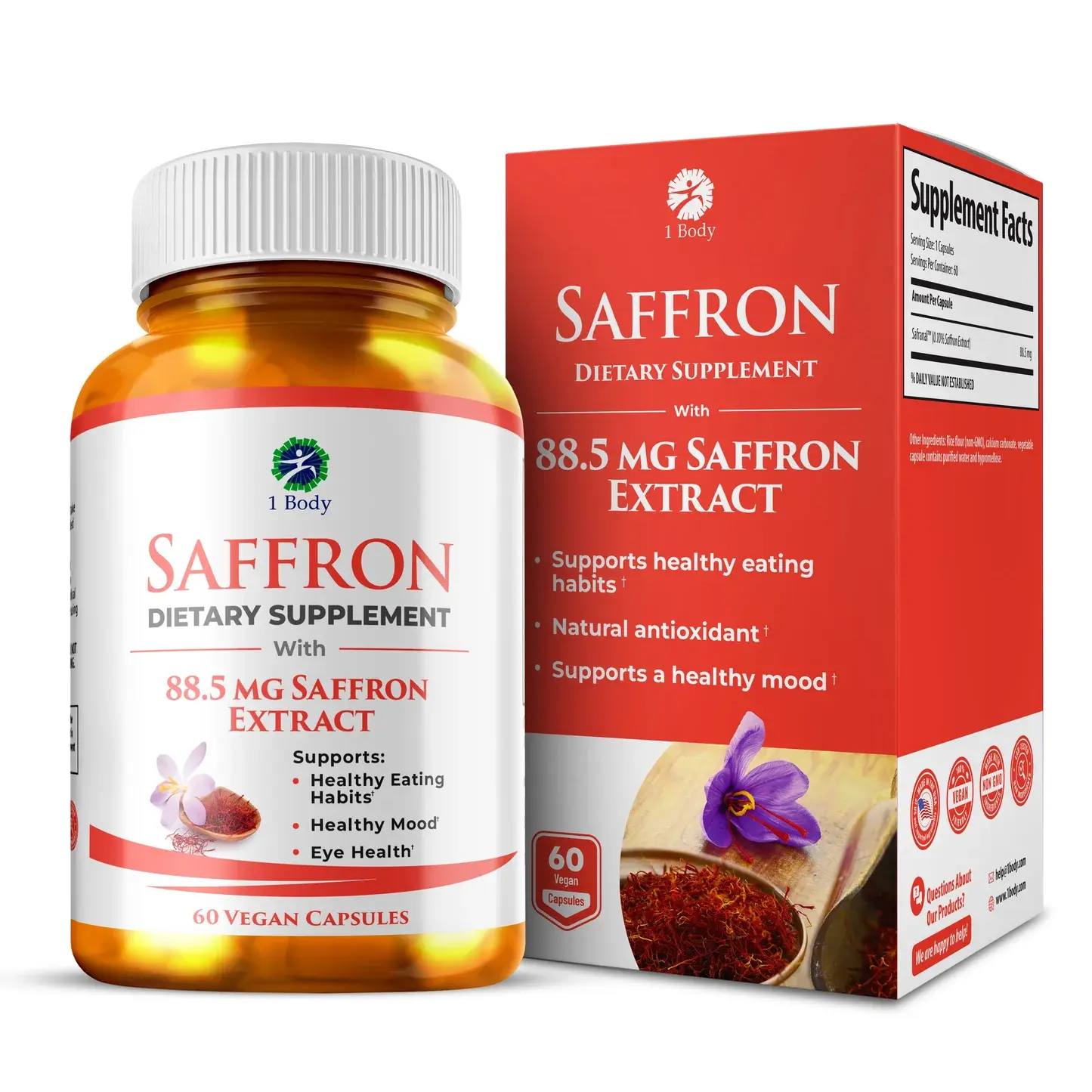
1 Body Saffron Dietary Supplement provides 88.5 mg of saffron extract in a convenient vegan capsule format. According to the product label, it is formulated to support healthy mood, healthy eating habits, and eye health as part of an everyday wellness routine.
Saffron contains naturally occurring plant compounds, including crocin and safranal, but a supplement should not be presented as a treatment for depression, seasonal affective disorder, appetite disorders, or vision conditions. Individual experiences vary, and the formula is best viewed as optional botanical support within a complete lifestyle approach.
Anyone taking medication, managing a mental health or medical condition, preparing for surgery, or who is pregnant or breastfeeding should speak with a healthcare professional before beginning saffron or another new supplement.
Frequently Asked Questions
-
No, the September blues generally describe a mild, temporary adjustment as summer ends, while seasonal affective disorder is a recurring form of depression that requires professional assessment. Persistent, worsening, or disruptive symptoms should not be self-diagnosed
Let the New Season Become a Gentle Reset
The end of summer can bring mixed emotions. You may appreciate cooler weather while missing the lightness of long days, or feel excited about new routines while also feeling tired by the effort of adjusting.
Rather than pushing those feelings away, use September as an opportunity to rebuild your rhythm gradually. Morning light, a steady sleep schedule, balanced meals, regular movement, hydration, connection, and enjoyable fall rituals can make the transition feel less abrupt.
Pay attention to what your body and mood are communicating. Temporary changes may improve as your routine becomes more consistent, while ongoing symptoms may require professional support. Both responses are valid, and neither should be treated as a personal failure.
A thoughtful supplement may complement your routine, but it remains one piece of a much larger picture. The strongest seasonal wellness plan is one that supports your sleep, nourishment, relationships, movement, mental health, and everyday sense of purpose.
1 Body Saffron Dietary Supplement
1 Body Saffron Dietary Supplement offers a simple way to include 88.5 mg of saffron extract in a daily wellness routine. The formula is designed to support healthy mood, healthy eating habits, and eye health without positioning the product as a treatment for seasonal depression or another medical condition.†
Product features and wellness-supporting qualities include:
-
Provides 88.5 mg of saffron extract
-
Formulated to support healthy mood†
-
Designed to support healthy eating habits†
-
Provides botanical antioxidant support†
-
Formulated to support eye health†
-
Comes in 60 vegan capsules
-
Convenient for everyday use
-
Easy to pair with morning light and consistent routines
-
Intended to complement balanced nutrition, sleep, and movement
-
Clearly positioned as dietary support rather than medical treatment
1 Body Methylated Vitamin B Complex may be a thoughtful choice for adults who want straightforward nutritional support as their routines change with the season. Its broad B-vitamin profile and convenient format make it easy to pair with morning light, balanced meals, regular movement, and restorative sleep.
†These statements have not been evaluated by the Food and Drug Administration. This product is not intended to diagnose, treat, cure, or prevent any disease.
Reference
Stothart, G., McHill, A. W., Depner, C. M., Birks, B. R., Moehlman, T. M., Ritchie, H. K., Guzzetti, J. R., Chinoy, E. D., LeBourgeois, M. K., Axelsson, J., & Wright, K. P., Jr. (2017). Circadian entrainment to the natural light-dark cycle across seasons and the weekend. Current Biology, 27(4), 508–513. https://doi.org/10.1016/j.cub.2016.12.041
For all general inquiries, please contact us at help@1body.com
© Copyright. All rights reserved.